
ZESTLET · OEM / ODM · Private Label
Bonnet Toorie Buyer’s Guide: Yarn, Diameter, Color and Attachment
Build Now, Pay Later · New brands welcome
Launch your brand from 20 pieces. Pay the balance after your stock arrives.
ZESTLET makes your tactical, hunting, uniform and Highland products under your own label. Your first sample and branding setup are free, and orders from $5,000 can pay 60% after delivery.
Budget under $5,000
Startup Launch
- Start from 20 pieces per product
- Your first sample is free
- Labels, screens and digitising are free
- Bulk starts only after you approve the sample
Orders from $5,000
Build Now, Pay Later
- Pay 40% to start production
- Pay the other 60% monthly after delivery
- No interest and no application fee
- Your limit grows with every on-time payment
Your full journey with ZESTLET, step by step
From your first idea to stock in your warehouse. Every step is visible in your free brand dashboard.
- 1Create your free brand accountSign up in about one minute. We email you a 6-digit code to confirm your account.
- 2Check your credit in 30 secondsAnswer 3 short questions in your dashboard and see your pre-qualified credit limit straight away.
- 3Start your projectUpload your design or tech pack, choose the product and quantity. You can start from 20 pieces per product.
- 4Get your quotation within 24 hoursPrice per piece, lead time and payment terms in writing, from real people in Sialkot.
- 5Free sample with your brandingWe make your sample with your logo in 7–10 working days. You only pay the sample shipping.
- 6Approve and pay 40%Bulk production starts only after you approve the sample and pay the 40% deposit.
- 7Production and quality checksCutting, stitching, inspection and packing, with progress updates in your dashboard.
- 8Delivery, then pay 60% monthlyDoor-to-door shipping. Credit orders pay the balance after delivery over 90 to 365 days, with no interest.
What you need to apply
- Your brand name and contact details
- Your product idea, design or tech pack
- An order value from $5,000 for Build Now, Pay Later
- For higher limits: sales history or business registration
Your credit limit grows with you
First credit order
After 2 orders paid on time
After 4 cycles and a review
- Deposit
- 40%
- Balance after delivery
- 60%, monthly
- Repayment
- 90 to 365 days
- Interest and fees
- None
Can I start a clothing brand with a small budget?
Yes. You can start from 20 pieces per product, and your first sample and branding setup are free, so your budget goes into product.
Who can use Build Now, Pay Later?
Brands with orders from $5,000, including new brands with no sales history, after a short review. You pay 40% upfront and 60% in monthly instalments after delivery.
Is the sample free?
Yes, the first sample is made free with your branding. Sample shipping is paid by the buyer.
Credit is subject to approval. Amounts shown in your local currency are approximate.
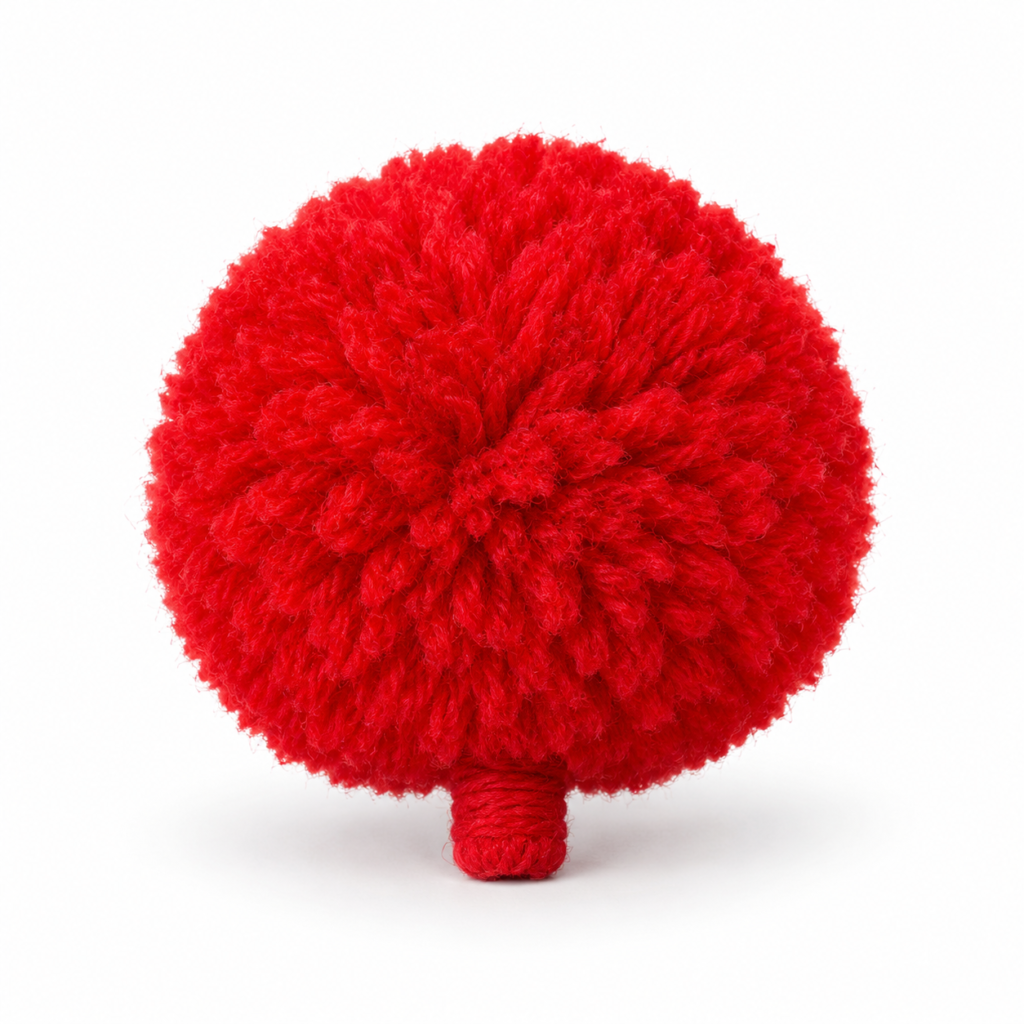
If you sell balmorals, glengarries or other Scottish bonnets, sooner or later you will need toories: either fitted on new bonnets or as replacement trims for customers and pipe bands. Buying them sounds simple, but a good toorie needs the right yarn, size, density, shade and fixing.
This guide explains each choice in plain terms and ends with a checklist of what to send your bonnet toorie supplier.
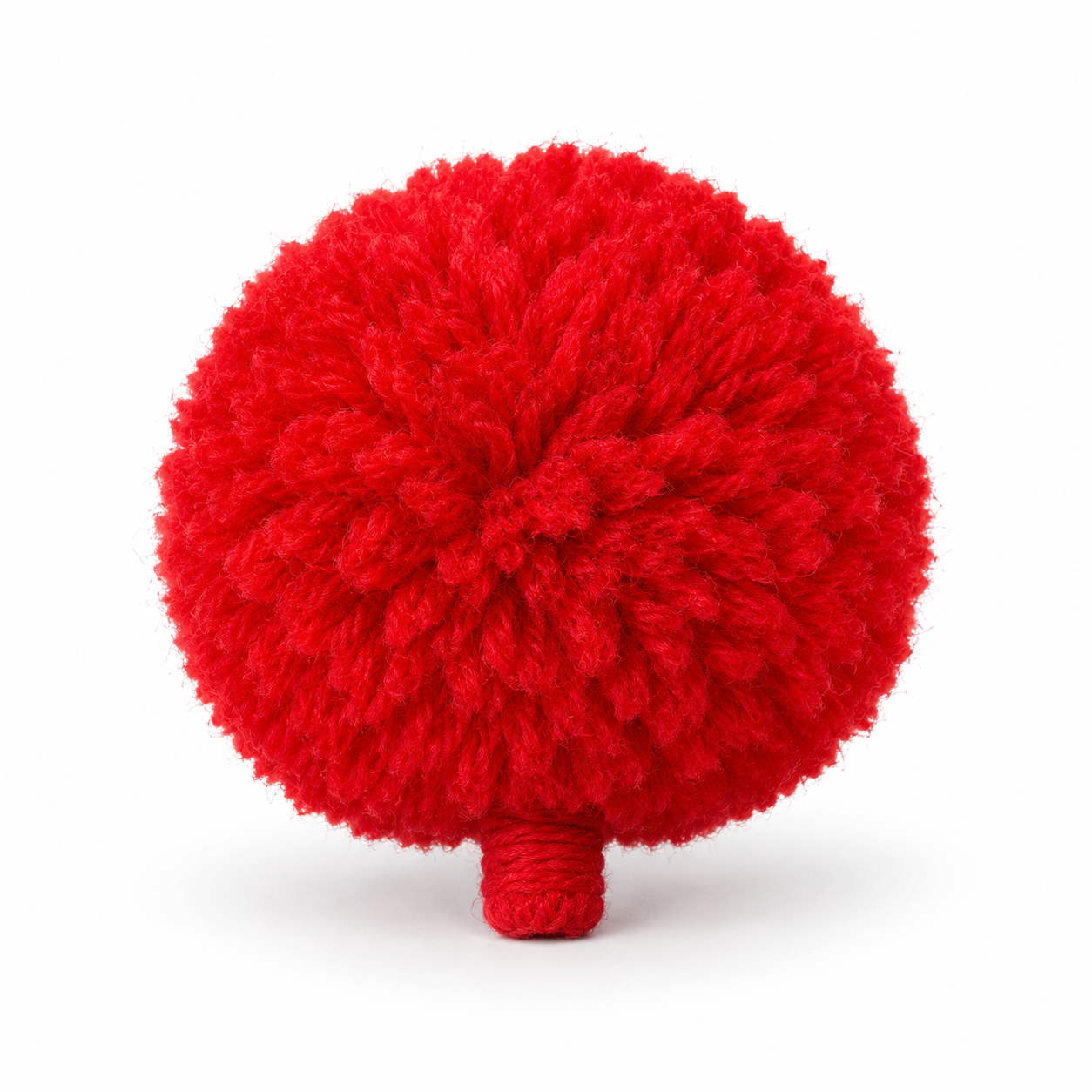
What a toorie is and where it is used
The toorie is a yarn pompom at the center of a bonnet crown. On balmorals and glengarries it is a finishing detail that sits above the band, dicing, cockade and badge. Because it forms the top of the outline, its size and shape affect how the whole bonnet reads from a distance and in photographs.
For a buyer, toories come in two supply forms:
- Fitted: attached to the bonnet during production, as part of the finished product.
- Loose replacement: supplied as separate components for spares, repairs or for brands that assemble bonnets themselves.
Yarn: composition, strand and handle
Yarn decides how the toorie looks, feels and ages. Ask for the declared fibre composition rather than a general description, and look at the strand thickness and handle on a real sample. A soft, lofty yarn gives a full, round look with less material; a harder or thinner yarn needs more wraps to reach the same coverage. If your bonnet cloth or dicing has a particular texture, consider how the toorie yarn sits next to it.
Diameter: how to specify size
Diameter is the finished width of the pompom after trimming. To measure, place the toorie on a flat surface and measure across the widest point without squashing it. Write the target and the allowed variation, and set it per bonnet style if you sell more than one. A broad balmoral crown and a narrow glengarry rarely look right with exactly the same toorie.
Density: the detail most briefs miss
Two toories with the same diameter can look very different. Density describes how much yarn fills the shape: a dense toorie looks round and solid, a sparse one shows gaps and flattens with wear. Because density is hard to express in numbers, the practical method is a physical reference sample, or a clear photo against a ruler, that both sides keep on file.
Color and shade matching
Choose the shade with the bonnet in mind, because the toorie is seen next to the band, dicing or cockade. Approve color from physical yarn, not from a screen. If the toorie should match other parts of the bonnet, send those references together, and keep the approved shade for repeat orders.
Attachment and base finish
The fixing decides whether the toorie stays centered and secure. Typical options are a sewn stem, a loop, or another fixing agreed for your bonnet. Also agree the contact area and how the base is finished, so no knots, thread ends or adhesive are visible from the side.
Specification table
| Specification | What to define |
|---|---|
| Diameter | Finished pompom size and allowed variation |
| Yarn | Fibre composition, strand and handle |
| Density | Coverage and roundness reference |
| Color | Physical yarn reference or approved shade |
| Attachment | Sewn stem, loop or agreed fixing |
| Base | Contact area and hidden finish |
| Trim | Clean shape without loose long ends |
| Supply | Fitted, or loose replacement component |
| Matching | Bonnet and batch reference |
| Packing | Protection against crushing and snagging |
Buyer checklist before requesting a quote
- Bonnet style or styles, with photos or a sample of the bonnet the toorie goes on
- Fitted or loose supply, and quantity per variant
- Target diameter and tolerance for each style
- Yarn composition preference, or a request for options
- Physical shade reference
- Density reference sample or photo against a ruler
- Fixing method and base finish
- Destination, packing and any private-label packaging needs
Where to go next
Before ordering, read the most common bonnet toorie problems and how to avoid them, and see how a bonnet toorie is made. If you are choosing the bonnet itself, the balmoral bonnet buyer’s guide and the glengarry bonnet buyer’s guide cover cloth, parts and sizing.
Get bonnet toories that match your range
ZESTLET in Sialkot, Pakistan reviews bonnet toorie projects for Highland outfitters, retailers and band suppliers, as fitted trims or loose replacement components.
- Diameter, yarn, density and shade built to your approved reference
- Sewn stem, loop or agreed fixing with a clean, hidden base
- Small batches, sample first, private label welcome
- Packing planned to prevent crushing and snagging
See the bonnet toorie product page or request a quote with your bonnet style, quantities and shade reference.
Frequently asked questions
Should I buy fitted or loose toories?
Fitted toories suit buyers of complete bonnets. Loose toories suit spares, repair stock or brands that assemble bonnets themselves.
How do I measure a toorie?
Measure across the widest point of the finished, trimmed pompom without compressing it, and state the allowed variation.
Can the toorie match my bonnet colors?
Yes. Send physical references for the band, dicing or cockade and approve a physical shade sample next to them.
Which yarn should I choose?
It depends on the look and handle you want. Ask for the declared fibre composition and compare real samples rather than descriptions.
What should I send for a quote?
Bonnet style, fitted or loose supply, quantities, diameter and tolerance, yarn preference, shade reference, fixing method and destination.