ZESTLET · OEM / ODM · Private Label
Bonnet Toorie Problems: Flat Shape, Shedding, Color Mismatch and Loose Fixing
Build Now, Pay Later · New brands welcome
Launch your brand from 20 pieces. Pay the balance after your stock arrives.
ZESTLET makes your tactical, hunting, uniform and Highland products under your own label. Your first sample and branding setup are free, and orders from $5,000 can pay 60% after delivery.
Budget under $5,000
Startup Launch
- Start from 20 pieces per product
- Your first sample is free
- Labels, screens and digitising are free
- Bulk starts only after you approve the sample
Orders from $5,000
Build Now, Pay Later
- Pay 40% to start production
- Pay the other 60% monthly after delivery
- No interest and no application fee
- Your limit grows with every on-time payment
Your full journey with ZESTLET, step by step
From your first idea to stock in your warehouse. Every step is visible in your free brand dashboard.
- 1Create your free brand accountSign up in about one minute. We email you a 6-digit code to confirm your account.
- 2Check your credit in 30 secondsAnswer 3 short questions in your dashboard and see your pre-qualified credit limit straight away.
- 3Start your projectUpload your design or tech pack, choose the product and quantity. You can start from 20 pieces per product.
- 4Get your quotation within 24 hoursPrice per piece, lead time and payment terms in writing, from real people in Sialkot.
- 5Free sample with your brandingWe make your sample with your logo in 7–10 working days. You only pay the sample shipping.
- 6Approve and pay 40%Bulk production starts only after you approve the sample and pay the 40% deposit.
- 7Production and quality checksCutting, stitching, inspection and packing, with progress updates in your dashboard.
- 8Delivery, then pay 60% monthlyDoor-to-door shipping. Credit orders pay the balance after delivery over 90 to 365 days, with no interest.
What you need to apply
- Your brand name and contact details
- Your product idea, design or tech pack
- An order value from $5,000 for Build Now, Pay Later
- For higher limits: sales history or business registration
Your credit limit grows with you
First credit order
After 2 orders paid on time
After 4 cycles and a review
- Deposit
- 40%
- Balance after delivery
- 60%, monthly
- Repayment
- 90 to 365 days
- Interest and fees
- None
Can I start a clothing brand with a small budget?
Yes. You can start from 20 pieces per product, and your first sample and branding setup are free, so your budget goes into product.
Who can use Build Now, Pay Later?
Brands with orders from $5,000, including new brands with no sales history, after a short review. You pay 40% upfront and 60% in monthly instalments after delivery.
Is the sample free?
Yes, the first sample is made free with your branding. Sample shipping is paid by the buyer.
Credit is subject to approval. Amounts shown in your local currency are approximate.
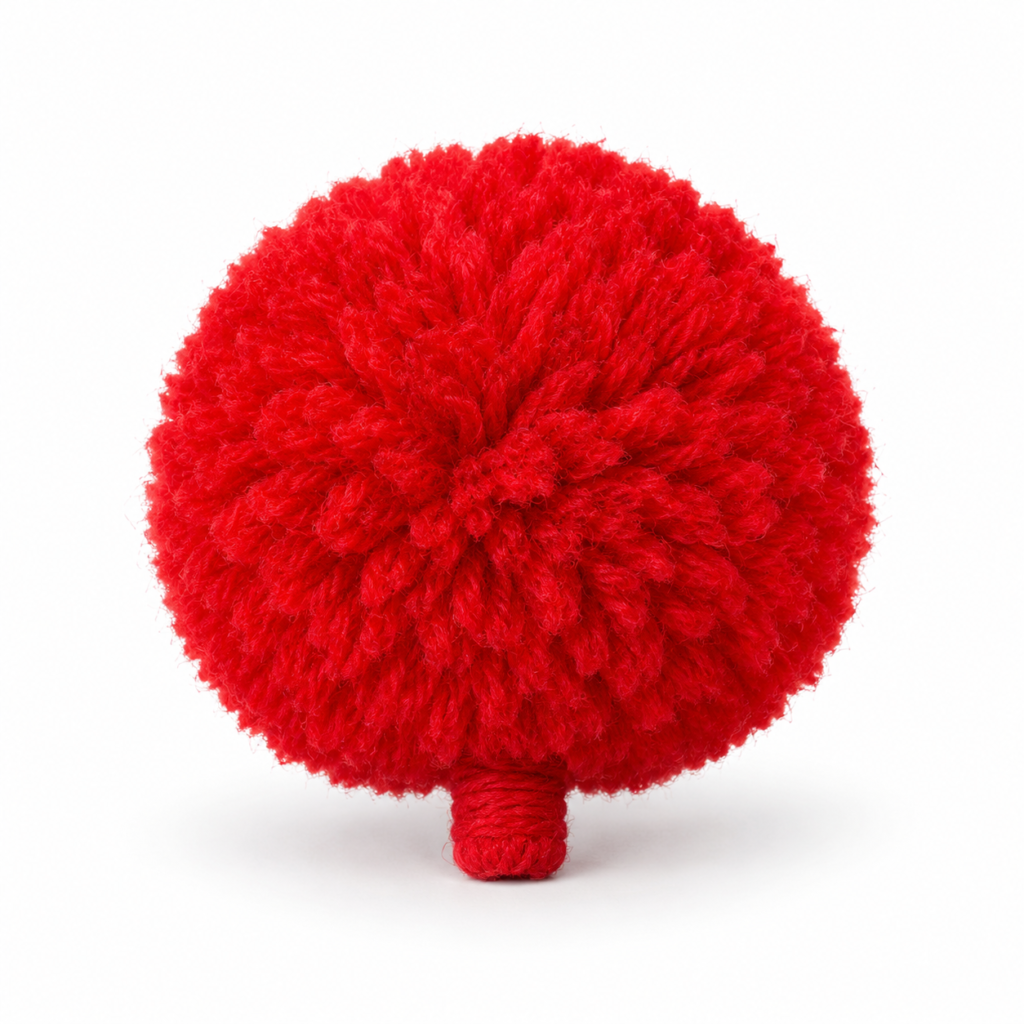
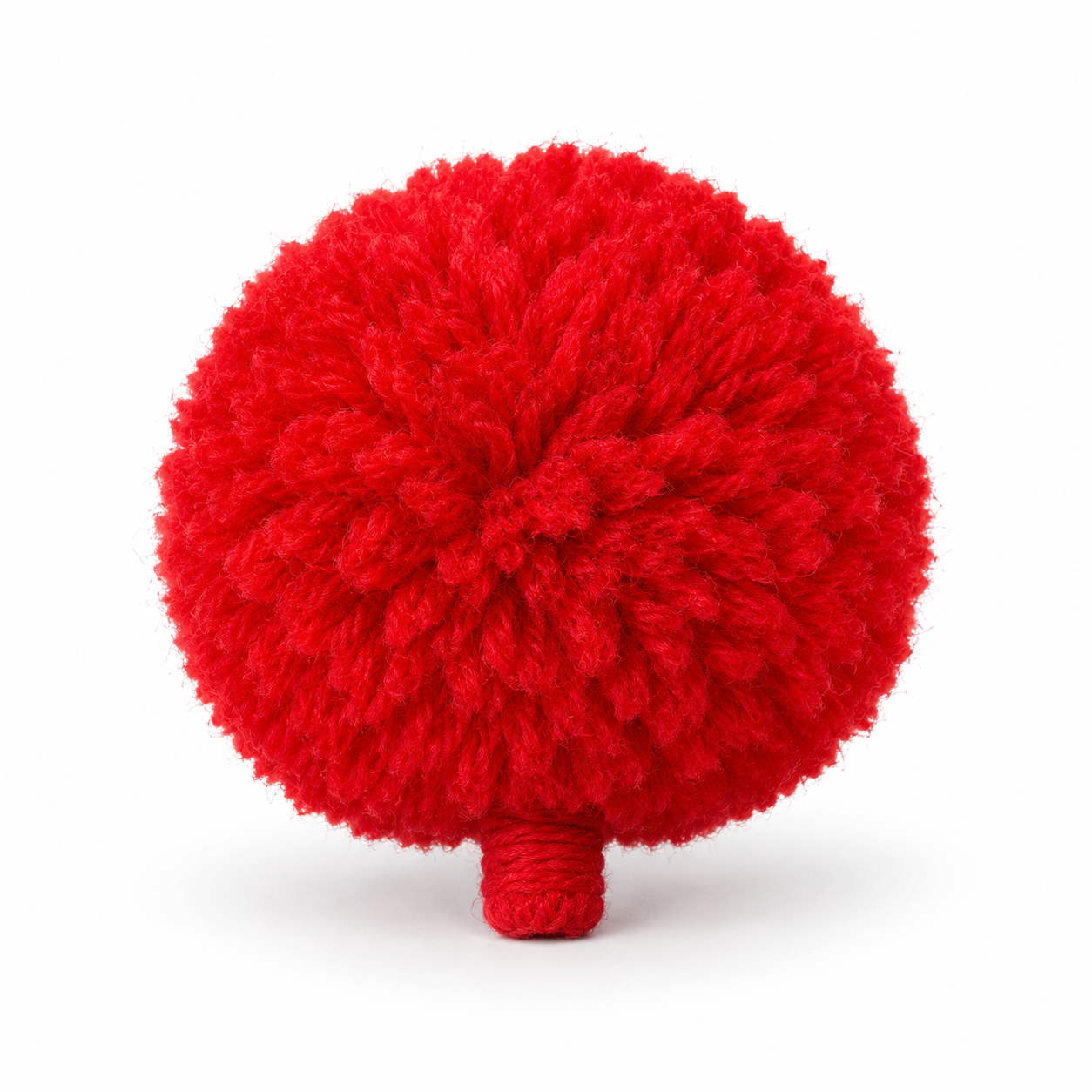
A toorie is the small yarn pompom on top of a Scottish bonnet such as a balmoral or glengarry. It is a tiny part of the outfit, but it sits at the highest point of the head and is one of the first details people notice in photos. When it is flat, the wrong shade or hanging loose, the whole bonnet looks cheap.
This article goes through the problems outfitters, pipe band suppliers and retailers most often run into with bonnet toories, whether they buy them fitted to bonnets or as loose replacement trims, and how to avoid each one before bulk production.
Why a small trim causes so many complaints
Toories are often treated as an afterthought: one line on the order saying “red toorie” and nothing more. That leaves diameter, yarn, density, shade and fixing open to interpretation. The supplier makes a reasonable guess, the buyer had something else in mind, and the difference only shows when hundreds of bonnets are already finished. Almost every problem below comes from a decision that was never written down.
Problem 1: The toorie looks thin or flat
A sparse toorie shows gaps, loses its round shape and can look squashed after a few wears. The usual cause is too little yarn for the finished size, or a size increased at the last moment without adding yarn.
How to avoid it: agree a density reference, not just a diameter. A physical approved sample, or a clear photo against a ruler showing coverage and roundness, gives both sides the same target. Check that the approved sample still looks full after light handling.
Problem 2: The size is out of proportion
A toorie that suits a broad balmoral can look oversized on a glengarry or a child’s bonnet, and a small one can disappear on a wide crown. Buyers sometimes order one diameter for every bonnet in a range without checking.
How to avoid it: state the finished diameter for each bonnet style and the allowed variation. Measure across the finished pompom after trimming, not the template or the yarn bundle. If you sell several bonnet styles, test whether one size really works for all of them.
Problem 3: The shade does not match
Red is a common toorie color, but there are many reds. A toorie that is brighter or bluer than the dicing, band or cockade on the same bonnet stands out for the wrong reason. Shades also look different on a screen, in a phone photo and in real yarn.
How to avoid it: send a physical yarn reference or approve a physical shade sample. Compare it beside the bonnet cloth and band in daylight. Keep the approved reference so later batches can be checked against it.
Problem 4: Shedding, long ends and a messy surface
Poorly trimmed toories leave long strands sticking out, an uneven outline or loose fibres on the crown. Some yarns also fuzz or pill quickly with handling.
How to avoid it: specify a clean, even trim without long loose ends, and confirm the yarn composition and handle on the sample. Brush the sample lightly by hand to see how the surface behaves before approving it.
Problem 5: Weak or untidy attachment
A toorie that is only lightly tacked can twist, flop to one side or come off. Where the fixing is visible, a bulky stem, glue marks or exposed thread at the base spoil the look.
How to avoid it: choose the fixing method in advance: sewn stem, loop or another agreed fixing. Define the contact area and how the base is finished so the attachment stays hidden. On the sample, pull gently and turn the toorie to check it stays secure and centered.
Problem 6: Crushed or snagged in transit
Bonnets packed tightly, or loose toories bagged in bulk, can arrive flattened, misshapen or tangled together.
How to avoid it: agree packing that protects against crushing and snagging. Fitted bonnets need space or support for the crown; loose toories should be packed so they keep their shape and do not catch on each other.
Problem 7: Replacements do not match the first batch
Retailers and band suppliers often reorder toories as spare parts. If the first order was never documented, the replacements may differ in size, shade or fixing from the bonnets already in use.
How to avoid it: record the approved diameter, yarn, shade and attachment as a reference for that bonnet and batch. Say clearly whether you need toories fitted or loose for replacement, and how they will be attached on your side.
Quick prevention table
| Problem | Typical cause | What to agree before bulk |
|---|---|---|
| Flat or thin toorie | Too little yarn for the size | Density and roundness reference on a physical sample |
| Wrong proportion | One size for every bonnet | Finished diameter per style, with tolerance |
| Shade mismatch | Color approved on screen | Physical yarn or shade reference |
| Loose ends, fuzz | Rough trimming, untested yarn | Clean trim standard and declared yarn composition |
| Toorie comes loose | Fixing not specified | Sewn stem, loop or agreed fixing with hidden base |
| Crushed on arrival | Tight or bulk packing | Packing that prevents crushing and snagging |
| Replacements differ | No batch record | Saved reference per bonnet and batch |
Related reading
The toorie is one part of the bonnet. For crown drape, cockade and fit issues on the whole bonnet, read balmoral bonnet problems. To choose yarn, size and fixing, see the bonnet toorie buyer’s guide, and to understand production, read how a bonnet toorie is made.
Get bonnet toories that match your range
ZESTLET in Sialkot, Pakistan reviews bonnet toorie projects for Highland outfitters, retailers and band suppliers, as fitted trims or loose replacement components.
- Diameter, yarn, density and shade built to your approved reference
- Sewn stem, loop or agreed fixing with a clean, hidden base
- Small batches, sample first, private label welcome
- Packing planned to prevent crushing and snagging
See the bonnet toorie product page or request a quote with your bonnet style, quantities and shade reference.
Frequently asked questions
What is a bonnet toorie?
It is the small yarn pompom fixed to the top of a Scottish bonnet such as a balmoral or glengarry. It can be supplied fitted to the bonnet or as a loose replacement trim.
Why does my toorie look flat?
Usually there is too little yarn for the diameter. Agree a density and roundness reference on a physical sample, not only a size.
How do I get the shade right?
Send a physical yarn reference or approve a physical shade sample, and compare it beside the bonnet cloth and band in daylight.
Can I order replacement toories only?
Loose replacement toories are one supply option. Tell us which bonnet they must match and how they will be attached; availability and the production or sourcing route are confirmed before quotation.
How should toories be packed?
In a way that protects their shape from crushing and stops them snagging on each other or on other bonnet trims.