
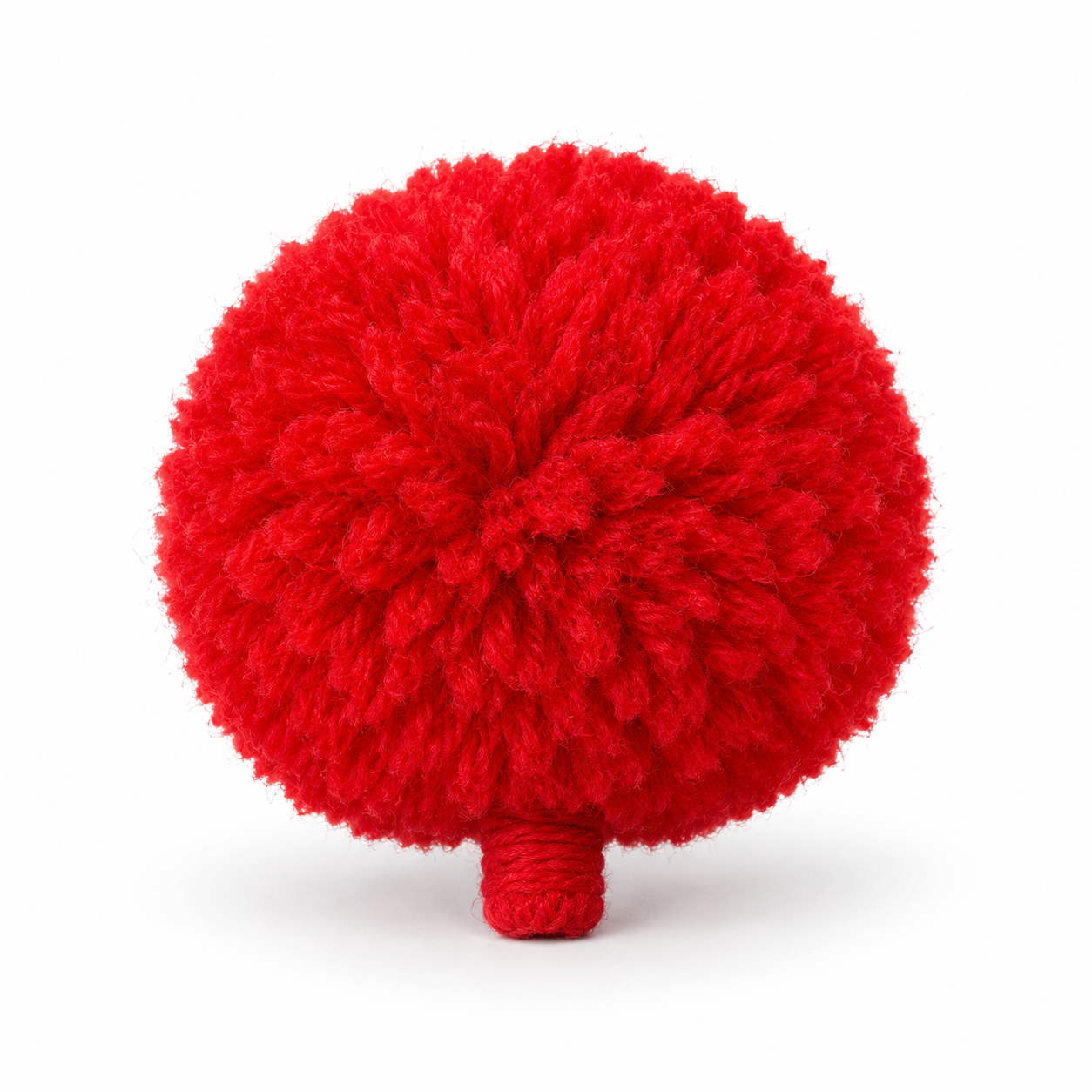
Avoid the common bonnet toorie ordering mistakes
A compressed toorie can appear smaller in a carton; approve recovery after packing.
OEM / ODM · Sialkot, Pakistan
ZESTLET in Sialkot, Pakistan reviews bonnet toorie projects for Highland outfitters, retailers and band suppliers. A yarn pompom component for a Scottish bonnet. It is supplied as a replacement or production trim, with size, yarn density, color and attachment selected to match the approved headwear reference. Confirm the exact component availability and production or sourcing route before quotation.
Develop a bonnet toorie brief around diameter, yarn, density, materials and coordinated outfit requirements.
At a glance
Design and construction options are finalized against your approved tech pack and sample.
| Specification | Standard / design option | Customizable |
|---|---|---|
| Diameter | Finished pompom size and allowed variation | To approved brief |
| Yarn | Fibre composition, strand and handle | To approved brief |
| Density | Coverage and roundness reference | To approved brief |
| Color | Physical yarn reference or approved shade | To approved brief |
| Attachment | Sewn stem, loop or agreed fixing | To approved brief |
| Base | Contact area and hidden finish | To approved brief |
| Trim | Clean shape without loose long ends | To approved brief |
| Supply | Fitted or loose replacement component | To approved brief |
| Matching | Bonnet and batch reference | To approved brief |
| Packing | Protection against crushing and snagging | To approved brief |
| Quantity and timing | MOQ, component minimums and schedule confirmed after specification review | Project-specific |
| Destination and labeling | Buyer-defined destination, accurate material identity and approved labels | Project-specific |
ZESTLET in Sialkot, Pakistan reviews bonnet toorie projects for Highland outfitters, retailers and band suppliers. A yarn pompom component for a Scottish bonnet. It is supplied as a replacement or production trim, with size, yarn density, color and attachment selected to match the approved headwear reference. Confirm the exact component availability and production or sourcing route before quotation.
A compressed toorie can appear smaller in a carton; approve recovery after packing.
Two red yarns can differ significantly next to a dark bonnet; compare actual references.
A replacement must match the attachment as well as appearance to avoid damaging the bonnet. Retain the final drawing, material reference, finish and sample revision under one item code.
Material names on this page describe development choices, not a fixed stocked specification. Confirm the actual composition, supplier reference and availability before quotation. No Scottish manufacture, specific mill, precious metal or animal species is implied.
| Property | Option / specification |
|---|---|
| Composition | Declared yarn composition and approved backing or attachment materials |
| Application | Primary bonnet toorie components |
| Development considerations | Compare an actual material reference, supplier declaration and finished sample. Appearance alone does not establish fibre, leather, alloy or country of origin. |
| Property | Option / specification |
|---|---|
| Composition | Lining, backing, fastenings and trim selected for the approved design |
| Application | Connections, contact areas and presentation |
| Development considerations | Review each component in the finished assembly. Match finish, comfort, compatibility and maintenance requirements; record alternatives separately rather than mixing them into the approved bill of materials. |
Coverage and roundness reference. Define the measurement or appearance reference, agreed tolerance and inspection method in the specification. Check the finished sample rather than approving this feature from a digital rendering alone.
Physical yarn reference or approved shade. Define the measurement or appearance reference, agreed tolerance and inspection method in the specification. Check the finished sample rather than approving this feature from a digital rendering alone.
Sewn stem, loop or agreed fixing. Define the measurement or appearance reference, agreed tolerance and inspection method in the specification. Check the finished sample rather than approving this feature from a digital rendering alone.
Contact area and hidden finish. Define the measurement or appearance reference, agreed tolerance and inspection method in the specification. Check the finished sample rather than approving this feature from a digital rendering alone.
Clean shape without loose long ends. Define the measurement or appearance reference, agreed tolerance and inspection method in the specification. Check the finished sample rather than approving this feature from a digital rendering alone.
Fitted or loose replacement component. Define the measurement or appearance reference, agreed tolerance and inspection method in the specification. Check the finished sample rather than approving this feature from a digital rendering alone.
Supply authorized logo artwork, item code, size or dimension identifier and the exact material information approved for this bonnet toorie. Agree placement and legibility without concealing required information.
If the bonnet toorie is part of an outfit, keep each included piece and its quantity on a single packing schedule. Show clearly which accessories are optional or sold separately.
Keep one current artwork revision, label proof and presentation sample. Approve substitutions in writing before they enter a repeat order; similar color or product names are not a substitute for the agreed reference.
Send your artwork (AI, PDF, PSD, PNG) and we return a digital mock-up before production.
Watch our hand-embroidery production reelDeclared yarn composition and approved backing or attachment materials. For bonnet toorie, confirm the bill of materials, exact supplier/component references and specialist production route where relevant. A coordinated Highland range can combine textile development with sourced components; confirm responsibility and availability for the actual model before committing quantities or delivery dates.
Define the destination and intended use for this bonnet toorie before finalizing labels, materials and dispatch documents. Event, band, retailer and importer requirements can differ. This specification guide does not establish blanket acceptance in any country.
Use only authorized tartans, crests, logos and decorative artwork. Declare actual material and origin accurately. No official affiliation, licensed design, Scottish origin or certification is claimed without supporting evidence.
Agree checks appropriate to the actual bonnet toorie: dimensional consistency, material identity, finish, connection/closure function and behavior under the proposed care or handling conditions. Set acceptance criteria before ordering. Laboratory or specialist evidence is needed for any specific performance claim; no certification is inferred from the product name.
For UK, US, Canadian, Australian, New Zealand or other destination inquiries, state the market, intended use and buyer requirements. Confirm the actual material declaration, labeling, origin, artwork permission and any specialized import or event documentation before approving dispatch. A market name is not a certification or a promise of unrestricted availability.
Review your destination and documentation briefSend the intended outfit or use, destination, quantity by variant and the approved style reference. Identify what is fixed and which decisions are still open, including diameter and yarn.
Compare declared yarn composition and approved backing or attachment materials. Record the accepted material, component and finish references, and confirm specialist supply feasibility before treating the design as ready for production.
Turn the design into a drawing and measurement/feature schedule covering density, color, attachment, base. Keep units, tolerances, artwork revision and set contents explicit.
Sample review point: A compressed toorie can appear smaller in a carton; approve recovery after packing. Review the finished item in its intended outfit or component connection, then send a numbered change list against the current specification.
Confirm the final sample, material list, dimensions, inspection criteria, labels and packing. Obtain a project-specific MOQ and schedule; changes after approval can affect both component availability and timing.
Compare finished goods with the approved bonnet toorie reference. Confirm counts by variant, included accessories, labels and protected packing, then agree shipment documents and delivery terms for the actual destination.
For bonnet toorie, specify individual, pair or set quantities clearly. Protect shaped areas, decorative faces and attachment components from pressure, snagging and contact damage. Keep material, color, size/dimension and artwork revisions matched to the purchase order. Agree carton assortments and receiving labels before production; packaging is part of sample approval, not an afterthought.
No. It is the pompom trim. Specify whether you need loose replacements, fitted components or a complete Glengarry/Balmoral order.
Send the bonnet or a yarn reference plus finished diameter and attachment details. Digital color and a product name cannot guarantee a batch match.
The base shape, stem or loop, fixing method and the material it will attach to. Review secure attachment without distorting the bonnet crown.
Compare diameter, density, shape, shade and loose-yarn finish against the approved reference, then inspect packing recovery on a representative selection.
Send the exact style reference, diameter, yarn, density, color, material preferences, quantity by variant, destination and packing brief. Mark missing decisions so the team can review development and sourcing before quoting.
Request a project-specific quotation after the material, model and customization scope are clear. The website’s general starting MOQ does not automatically apply to every specialist component, tooling order or variant. Confirm sampling and bulk timing in writing.
Yes, discuss a sample for the actual design and materials. ZESTLET’s published policy describes free sampling with buyer-paid shipping; confirm the applicable scope for specialist or sourced components before proceeding. Record any changes and approve the final reference before bulk production.
Discuss authorized artwork, accurate material information, labels or suitable component marking and retail presentation. Confirm the available branding method and placement on the actual sample; do not assume every material accepts the same process.
Start your development
Request a quotation, free sample or fabric swatches. Sample shipping is paid by the buyer.
Contact: ZESTLET Sales Team · Sialkot, Pakistan · sales@zestlet.com · +92 329 4213122
Last updated:
ZESTLET office and contact details