
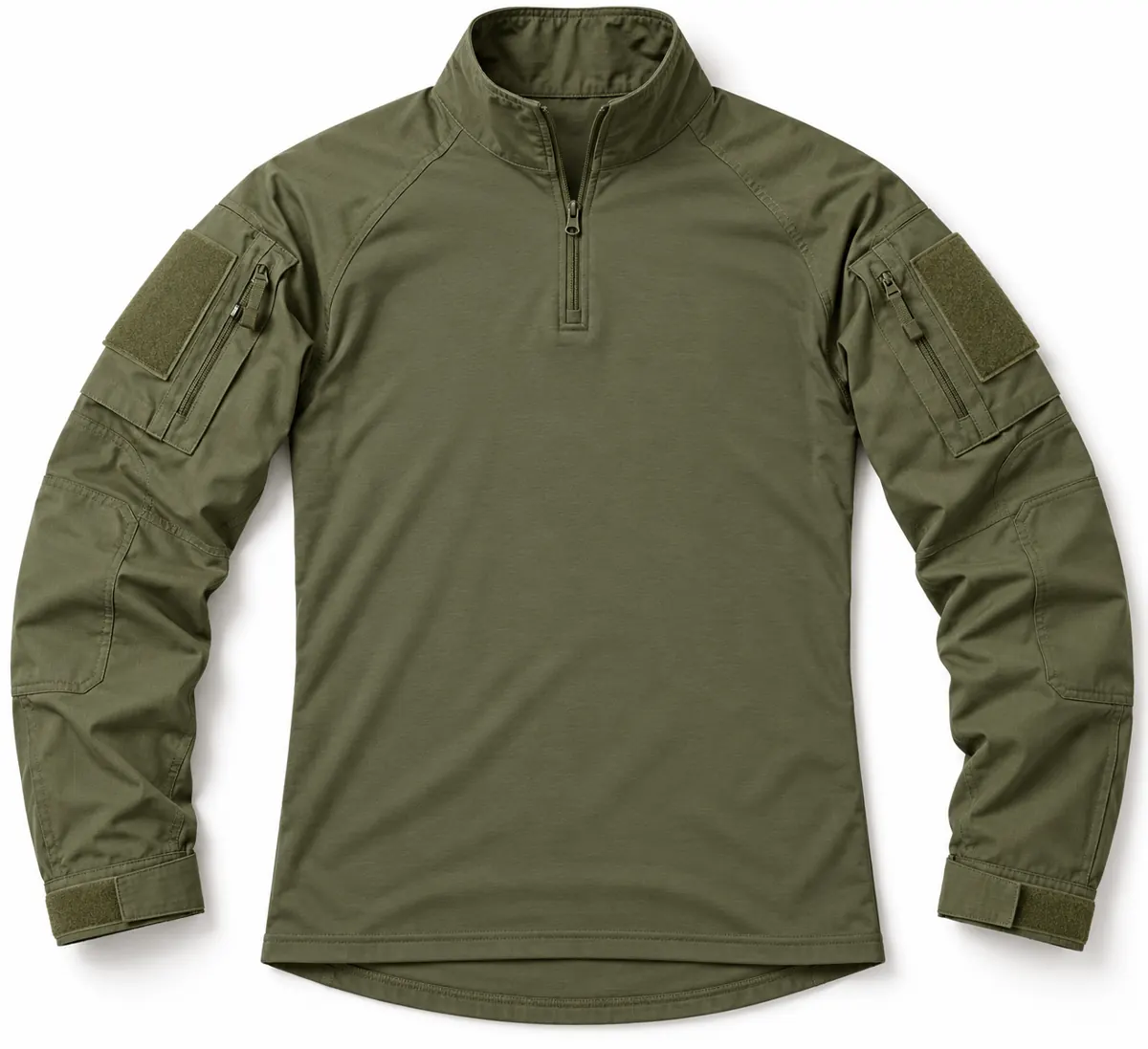
Torso and sleeve selection
Evaluate comfort, mobility and fabric compatibility together in the intended garment.
OEM / ODM · Sialkot, Pakistan
ZESTLET develops tactical combat shirts in Sialkot for brands and uniform suppliers. Buyers can specify the torso and sleeve materials, collar opening, upper-arm pockets, patch panels and size chart. Samples are reviewed before production; fabric grade and performance must be agreed for each order.
Develop a custom combat shirt with your choice of torso and sleeve materials, collar, pockets, patch panels, fit and private label branding.
At a glance
Design and construction options are finalized against your approved tech pack and sample.
| Specification | Standard / design option | Customizable |
|---|---|---|
| Torso | Knit fabric selected for the approved brief | Yes |
| Sleeves | Woven fabric selected for durability and compatibility | Yes |
| Collar | Quarter-zip or alternative closure to specification | Yes |
| Pockets | Upper-arm pocket size and closure to approved design | Yes |
| Patch panels | Placement and dimensions agreed with buyer | Yes |
| Cuffs | Adjustable or other specified construction | Yes |
| Sizing | Measurement chart and grading agreed before sampling | Yes |
| Colors | Solid colors or buyer-authorized artwork | Yes |
| Branding | Labels, embroidery and patches to approved artwork | Yes |
ZESTLET develops tactical combat shirts in Sialkot for brands and uniform suppliers. Buyers can specify the torso and sleeve materials, collar opening, upper-arm pockets, patch panels and size chart. Samples are reviewed before production; fabric grade and performance must be agreed for each order.
Evaluate comfort, mobility and fabric compatibility together in the intended garment.
Agree collar height, seam placement and fit to work with the buyer’s intended equipment.
Set pocket positions, labels and approved artwork before the sample is made.
Choose torso and sleeve materials separately and review their stretch, color, comfort and wash behavior together. Composition, GSM and finish depend on the approved mill article.
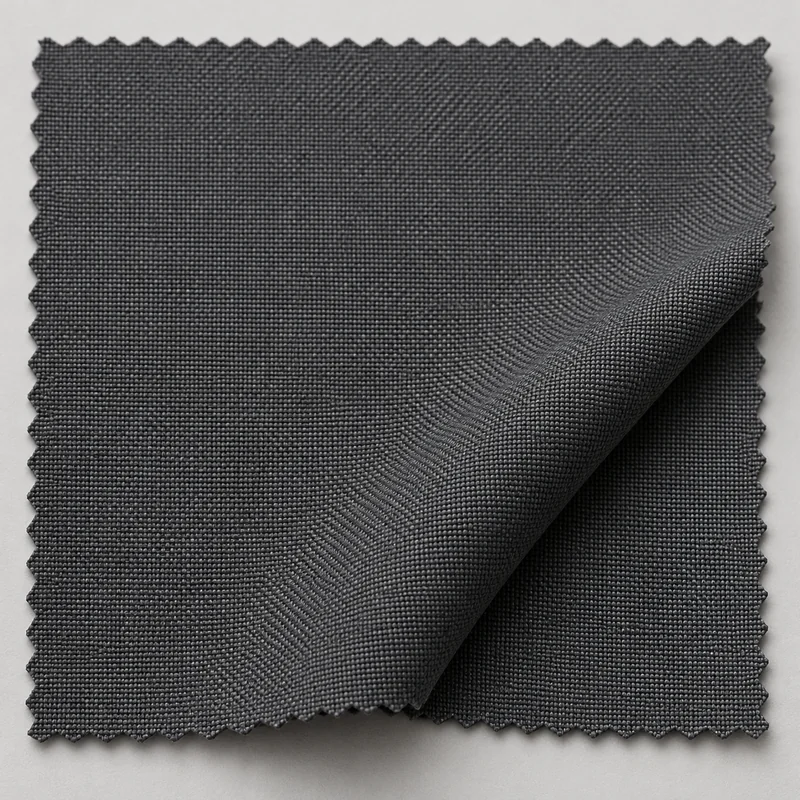
| Property | Option / specification |
|---|---|
| Composition | Composition to be agreed for the selected knit |
| Application | Torso comfort and movement |
| Development considerations | Review stretch recovery, comfort and wash behavior; confirm actual supplier specification. |
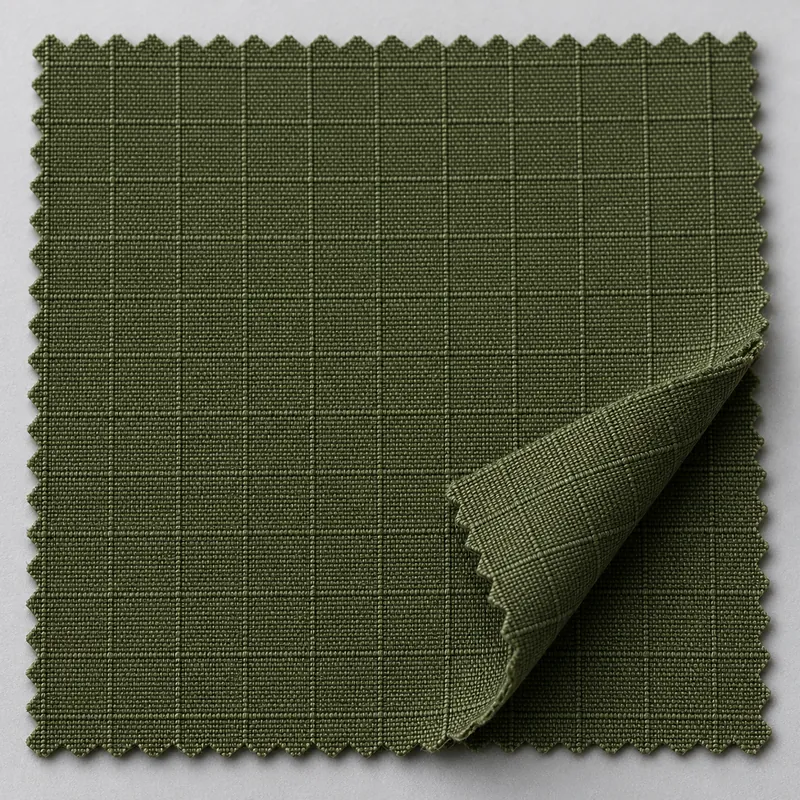
| Property | Option / specification |
|---|---|
| Composition | Poly-cotton, cotton or another approved woven option |
| Application | Sleeve and pocket panels |
| Development considerations | Check abrasion, color matching and stitching with the chosen torso fabric. |
Compare ripstop, poly-cotton and NYCO in our tactical pants fabric guide
Confirm opening length, chin comfort and zipper guard on the sample.
Check reach, arm movement and sleeve length with the intended layering system.
Approve pocket orientation, closure access and patch panel position.
Review seam placement and comfort under worn equipment; set inspection points.
Agree adjustment, reinforcement or pad-pocket details where requested.
Custom text, dimensions and sew-on or hook-and-loop backing as approved by the buyer.
Develop client artwork and placement for shoulder, chest or other specified positions.
Specify panel size and location so the garment can accept the buyer’s authorized identification.
Coordinate neck, size and care labels for the approved shirt.
Check artwork, fabric compatibility and application position on a trial panel before approval.
Use hangtags, barcode information and cartons aligned with your purchase order.
Send your artwork (AI, PDF, PSD, PNG) and we return a digital mock-up before production.
Watch our hand-embroidery production reelTorso fabric, sleeve fabric, zippers, hook-and-loop, thread and labels are discussed against the approved shirt specification or buyer-nominated components.
Review the destination market and intended use before agreeing labeling and applicable testing documentation. Special protective performance is not implied.
| Market | Requirements to review for adult apparel | Reports available on request |
|---|---|---|
| USA / United States | FTC Textile Rules (16 CFR Part 303): fiber content, country of origin and responsible business identification. FTC Care Labeling Rule (16 CFR Part 423). Clothing textile flammability under 16 CFR Part 1610, including applicable testing exemptions. Review California Proposition 65 and destination-state restrictions on PFAS where relevant to the chosen finish. | Applicable clothing flammability evidence, fiber composition and care-label documentation; restricted-substance reports for the agreed material/finish. Available on request; the team confirms the matching scope. |
| European Union | Textile fibre names and labelling: Regulation (EU) No 1007/2011. REACH: Regulation (EC) No 1907/2006, including applicable Annex XVII restrictions such as azo dyes. GPSR: Regulation (EU) 2023/988, including traceability and responsible economic operator requirements. | Applicable REACH/restricted-substance, azo dye, formaldehyde and pH reports, plus agreed fibre and labelling documents. Available on request for the specified material and product. |
| Canada | Textile Labelling Act and Textile Labelling and Advertising Regulations: fibre content and dealer identity, with applicable English/French requirements. Textile Flammability Regulations (SOR/2016-194). Care labelling is generally voluntary federally; Quebec language requirements may also apply. | Applicable fibre-content and textile flammability reports, plus bilingual label information. Available on request; exact garment/material coverage is confirmed with the buyer. |
| Australia | Consumer Goods (Care Labelling) Information Standard 2023 for covered clothing and textiles. Care instructions use English, recognised symbols or both as permitted. Australian Consumer Law requires accurate product and origin claims. | Applicable care-label, fibre-content and buyer-specified restricted-substance documentation. Reports and certificates for the agreed product specification are available on request. |
Flame resistance, infrared performance and other protective claims require evidence for the exact material and product.
Regulation and test-method numbers identify requirements, not ZESTLET certificate numbers. Request the applicable report for its laboratory, reference number, date, tested material or model and scope.
Request reports for your destination marketBuyer-selected testing documentation can cover tensile strength (ASTM D5034 / ISO 13934 series), tear strength (ASTM D1424 / ISO 13937 series), seam strength (ASTM D1683 / ISO 13935 series), colorfastness (ISO 105 series), washing and dimensional change (ISO 6330), pilling (ISO 12945 series), abrasion (ISO 12947 series) and water repellency (ISO 4920). Request the applicable method, sample description, results and acceptance criteria; use the edition stated on the actual report.
| Document | What it covers | Availability | Report / certificate reference |
|---|---|---|---|
| REACH / restricted-substance report | Applicable restricted chemicals for the selected material and destination | Available on request for the applicable fabric/product and agreed scope. Issuer, report reference and validity supplied with the document. | Provided with the applicable document |
| Azo dye, formaldehyde and pH reports | Selected dye and chemical parameters | Available on request for the applicable fabric/product and agreed scope. Issuer, report reference and validity supplied with the document. | Provided with the applicable document |
| Clothing flammability report | Applicable garment/fabric flammability assessment, including US 16 CFR 1610 where relevant | Available on request for the applicable fabric/product and agreed scope. Issuer, report reference and validity supplied with the document. | Provided with the applicable document |
| Physical performance reports | Strength, colorfastness, shrinkage, pilling and abrasion as specified | Available on request for the applicable fabric/product and agreed scope. Issuer, report reference and validity supplied with the document. | Provided with the applicable document |
| Shipping documents | Commercial invoice, packing list and applicable origin/transport documents | Commercial invoice, packing list and applicable origin/transport documents are supplied as agreed for the shipment. | Provided with the applicable document |
Share the design, intended use, quantity, sizes and market.
Review torso and sleeve swatches, trims and color references.
Develop the shirt pattern and check reach, layering and fit.
Confirm placement of labels, patch panels and artwork.
Review the finished shirt and request adjustments before bulk production.
Confirm materials, sizing, inspection, packing and shipment terms.
Agree individual packing, care labels, size stickers and carton quantities before production. Shipping method and export documents are confirmed for each order.
A combat shirt combines a fitted torso with long sleeves and practical details such as a zip collar or upper-arm pockets. Construction is customized to the buyer’s design and intended use.
Yes. Discuss separate torso and sleeve materials and approve their shade, stretch and wash behavior on a complete sample. Actual compositions and weights depend on supplier availability.
Yes. Provide authorized artwork, label details and placement dimensions so the design and sample can be reviewed before production.
Sampling is free and the buyer pays shipping. Share the tech pack and material preferences so the team can review the request.
Flame resistance is not assumed. Any protective claim requires the correct specification and evidence for the exact material and product.
Start your development
Request a quotation, free sample or fabric swatches. Sample shipping is paid by the buyer.
Contact: ZESTLET Sales Team · Sialkot, Pakistan · sales@zestlet.com · +92 329 4213122
Last updated:
ZESTLET office and contact details