OEM / ODM · Sialkot, Pakistan

Kilt Roll Travel Carrier Manufacturer

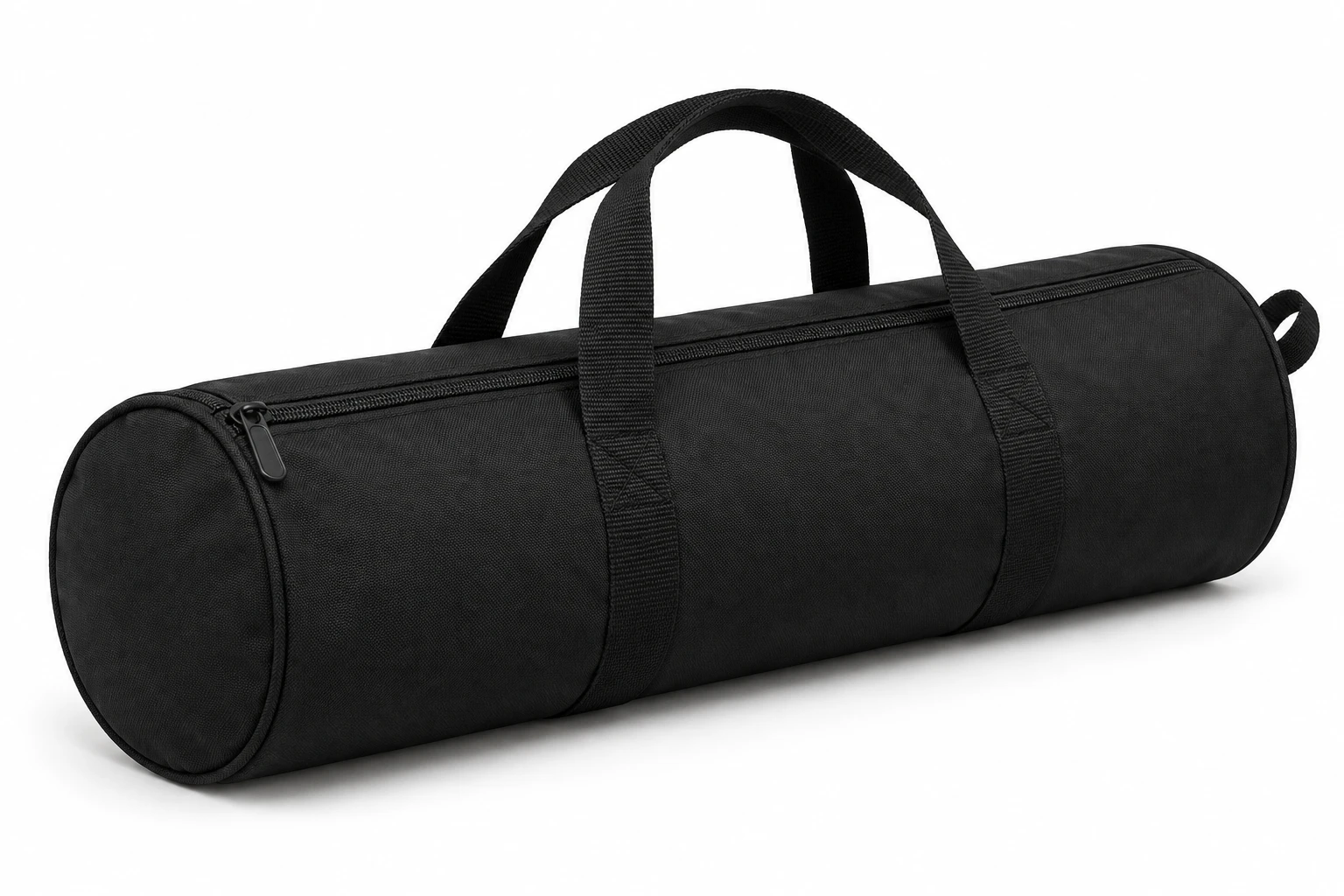
A dedicated roll-carrier brief for transporting a traditional kilt, with a long zipped opening and carry handles. Define the internal size against the actual rolled garment and agree optional packing-mat and shoulder-strap components.

Develop your kilt roll travel carrier range with ZESTLET. Send quantities, size requirements and a material reference for a project quotation. Approve construction, private labels and packing on an actual sample.

  • B2B / OEM and private label development
  • Dimensions and material approved by sample
  • One product design view for the brief
  • MOQ, timing and packing quoted by project
Chat with ZESTLET on WhatsApp

At a glance

Kilt Roll Travel Carrier Specification Options

Design and construction options are finalized against your approved tech pack and sample.

Kilt Roll Travel Carrier specification options
SpecificationStandard / design optionCustomizable
Usable internal lengthMeasured against the longest nominated kilt roll with clearance at both endsTo approved technical pack
Cross-sectionApproved roll diameter or packed width and depthTo approved technical pack
Main openingZipper route and access for insertion without dragging the clothTo approved technical pack
HandlesWebbing route, grip length and reinforced anchor positionsTo approved technical pack
Optional roll matSurface material, dimensions and retention loops agreed separatelyTo approved technical pack
Optional shoulder strapLength range, detachable fittings and load-bearing anchorsTo approved technical pack
Body and liningTextile, coating if requested, lining and seam finishTo approved technical pack
Branding and packingAuthorised artwork, labels, unit packing and carton assortmentTo approved technical pack

Fit, Material & Ordering Decisions

A dedicated roll-carrier brief for transporting a traditional kilt, with a long zipped opening and carry handles. Define the internal size against the actual rolled garment and agree optional packing-mat and shoulder-strap components.

Size the carrier around the actual rolled garment

Ask the buyer to provide the longest and bulkiest nominated kilt, including its straps and buckles. Measure the roll under one agreed packing method before setting the usable internal length and cross-section. Check end clearance so the lower edge and top of the garment do not curl against the bag. Nominal kilt yardage does not alone define roll diameter; cloth thickness, pleating and wearer size also affect the packed shape.

Agree a packing method before promising crease protection

An optional roll mat and retention loops should be specified and sampled as separate components. Check the contact surface for dye transfer, abrasive edges and exposed hardware. Roll with the pleats in the approved direction and avoid compressing buckles against the fabric. A carrier can organise a rolled garment, but wrinkle-free arrival should not be guaranteed without a defined packing, transport and unpacking assessment.

Custom Dimensions, Materials & Private Labels

  • Main dimensions: Finished length, width and height; empty and packed measurement conditions
  • Opening: U-shaped or straight zipper route and clearance for the largest item
  • Carry handles: Webbing route, grip length and joined-handle closure
  • Shoulder strap: Detachable or fixed arrangement with approved attachment hardware
  • End pockets: Separate external pocket depth and its effect on internal usable space
  • Base support: Flexible reinforcement or removable insert, with finish and edge protection

Shell Materials, Webbing & Components

Material options describe development choices, not a fixed stocked specification. Review colour and handle in an actual swatch. Any water resistance, abrasion, load or chemical-resistance claim needs evidence for the applicable material or complete bag and defined test conditions.

Shell and lining

Shell and lining development options
PropertyOption / specification
CompositionCompare actual nylon or polyester fabric references, coating, backing and lining
ApplicationMain body, pockets and internal organization
Development considerationsDenier describes yarn size, not a complete strength or waterproof rating. Record weave, finish, supplier reference, colour and actual sample weight where required. Approve the finished panel with its seams and closures.

Webbing, padding and hardware

Webbing, padding and hardware development options
PropertyOption / specification
CompositionWebbing, foam or spacer material, zipper, buckle and reinforcement selected by component reference
ApplicationCarry interfaces, contact areas, closures and load paths
Development considerationsMatch strap width to buckle slots and agree slider retention, edge finish and stitch construction. Do not substitute a similar-looking buckle or foam without rechecking the assembly. Branded material or zipper names require genuine supplier confirmation.

Approve the material in context

  1. Identify the exact material, trim and artwork reference.
  2. Check its dimensions, handle and compatibility in the finished item.
  3. Retain the approved sample and record any alternative separately.
Discuss materials and component samples

Kilt Roll Travel Carrier Construction Details

Handle and strap assembly

Agree a representative load, handling sequence and acceptance criteria before testing. Inspect attachment areas, seam distortion and hardware after the trial. No lifting or load rating is implied by “heavy duty”.

Base and insert

If a removable base is used, review corner shape, edge finish, access and cleaning. Check that it does not damage the lining or create a pressure point against the packed equipment.

Pocket interaction

Fill end pockets and the main cavity together. Confirm the main zipper closes without excessive force and that a shoulder strap can be attached without trapping a pocket or blocking retrieval.

Size the carrier around the actual rolled garment

Ask the buyer to provide the longest and bulkiest nominated kilt, including its straps and buckles. Measure the roll under one agreed packing method before setting the usable internal length and cross-section. Check end clearance so the lower edge and top of the garment do not curl against the bag. Nominal kilt yardage does not alone define roll diameter; cloth thickness, pleating and wearer size also affect the packed shape.

Agree a packing method before promising crease protection

An optional roll mat and retention loops should be specified and sampled as separate components. Check the contact surface for dye transfer, abrasive edges and exposed hardware. Roll with the pleats in the approved direction and avoid compressing buckles against the fabric. A carrier can organise a rolled garment, but wrinkle-free arrival should not be guaranteed without a defined packing, transport and unpacking assessment.

Test handle anchors and optional shoulder straps with a load

Record the expected packed mass and attachment layout, then assess the zipper, handles, seams and any detachable strap with a representative load. Review strap length and how the bag hangs without allowing a loose tail to catch on the zipper. If a shoulder strap is requested, identify its hardware and reinforcement in the bill of materials; it is not supplied merely because the illustration includes carry handles.

Separate wipe-clean construction from waterproof claims

Specify the body textile, coating if any, lining, zipper and seam finish. Review wiping and drying on the actual assembly. A coated material alone does not prove that the closure and stitched seams resist water. Agree the relevant evidence before advertising a waterproof bag, and provide care instructions matched to the selected materials rather than copying a competitor label.

Private Labels, Artwork & Packing Identity

Place branding around the functional layout

Supply authorized artwork with dimensions and placement coordinates. Compare embroidery, a sewn label, print or a patch on the actual selected panel. Keep decoration clear of reinforced anchors and moving closures; a method suitable for one coating may not work on another.

Make the item traceable

Agree your item code, variant, material information, origin declaration and care instructions appropriate to the actual bag. Keep the artwork revision and bill of materials tied to the same approved sample. Do not add an unverified certification logo.

Approve the retail presentation

Specify hangtags, inserts, barcode artwork if supplied, individual protection and carton labels. If optional components are shown in marketing, distinguish included items from buyer-supplied equipment and confirm the final packing list.

Send your artwork (AI, PDF, PSD, PNG) and we return a digital mock-up before production.

Watch our hand-embroidery production reel

Confirm Materials & Production Responsibility

Confirm the actual manufacturing and component-sourcing route for this kilt roll travel carrier before committing an order. The quotation should identify shell, lining, reinforcement, webbing, padding, closures and any removable parts. Approve alternatives individually, including their effect on dimensions and handling. A competitor’s branded fabric, delivery schedule or test claim is not a ZESTLET specification.

Destination & Product Evidence Review

Identify the destination, intended users and intended use before finalizing materials, labeling and documentation. B2B buyers should provide their importer and retailer requirements for the exact program; a country name on an inquiry is not evidence of approval.

Use authorized logos, tartan and crest artwork. Declare actual material and origin accurately, and agree any destination-specific substance or labeling review for the configured product. No official affiliation, waterproof rating or universal load capacity is claimed.

Agree evidence for the actual item

Agree dimensional tolerances, packed-access checks, seam and handle inspection, closure cycling and a suitable handling-load trial for this kilt roll travel carrier. State the sample size, conditioning and pass criteria before testing. If water, abrasion or cleaning performance will be advertised, agree an appropriate laboratory or specialist test and keep the report tied to the exact construction.

For UK, US, Canadian, Australian, New Zealand or other destination inquiries, state the market, intended use and buyer requirements. Confirm the actual material declaration, labeling, origin, artwork permission and any specialized import or event documentation before approving dispatch. A market name is not a certification or a promise of unrestricted availability.

Review your destination and documentation brief

From Carry Brief to Approved Kilt Roll Travel Carrier

  1. Build the carry brief

    Send the intended use, quantity by variant, destination and a list of the objects carried. Add actual dimensions or physical references for rigid equipment. Mark included components separately from optional or buyer-supplied items.

  2. Resolve the layout

    Agree main dimensions, opening, carry handles, shoulder strap. Annotate the opening direction, compartment depth and measurement condition. A reference photo is a starting point; the approved drawing controls the final design.

  3. Confirm materials and feasibility

    Review actual swatches and component references, manufacturing responsibility and any specialist sourcing. Obtain a project-specific sampling scope, MOQ and schedule. Keep unresolved decisions visible in the brief rather than treating them as accepted facts.

  4. Review a packed sample

    Agree a representative load, handling sequence and acceptance criteria before testing. Inspect attachment areas, seam distortion and hardware after the trial. No lifting or load rating is implied by “heavy duty”. Give one numbered change list against the current sample revision, including dimensions and photographs where useful.

  5. Approve production and inspection

    Sign off the final reference, bill of materials, artwork, tolerances, inspection criteria and packing plan. Reconfirm the schedule after any material or layout change. Retain one reference for repeat-order comparisons.

  6. Inspect and dispatch

    Verify counts and variants, compare finished goods with the approved reference and check closure and strap operation. Agree shipment documents and delivery terms for the actual destination, with each included insert or accessory listed.

Packing, Variant Control & Dispatch

Pack the kilt roll travel carrier in an agreed folded or formed condition that protects straps, buckle edges and shaped panels. Identify each colour, size or layout variant on the receiving label. List removable parts and their quantities, and keep loose accessories from scratching clear panels or hardware. Agree unit protection, carton assortment, carton dimensions and dispatch paperwork before production; freight terms and duties must be confirmed for the actual shipment.

Kilt Roll Travel Carrier Buyer Questions

Will one carrier fit every eight-yard kilt?

No. Check the longest and bulkiest nominated garment in the agreed rolled condition. Cloth thickness, seat size and pleat construction affect the packed dimensions. Approve usable internal clearance rather than relying only on nominal yardage.

Is a roll mat included?

Treat the mat, retention loops and shoulder strap as separately specified components. Confirm the exact package and approve the packing method on a sample before quotation and production.

Can the carrier have our logo?

Provide authorised artwork, dimensions and the decoration method. Review its placement on the actual outer textile clear of handles, closures and high-contact areas.

Is the carrier waterproof?

That claim requires evidence for the chosen body material, seams and zipper assembly. A wipe-clean or coated textile should not be treated as proof of complete-bag waterproof performance.

What dimensions should we request?

Measure the garment roll first, then agree usable internal length, cross-section and end clearance. Define the measurement condition, zipper access and inspection tolerance in the technical pack.

Can we request a different handle or strap arrangement?

Yes, discuss the desired carry method as part of development. The attachment layout, hardware and reinforcements must be reviewed under the expected packed load.

What do we send for a manufacturing quote?

Send a garment or packing reference, internal dimensions, expected packed mass, material preference, closure, handles, optional components, artwork, quantities and destination.

What are MOQ and lead time?

They are quoted for the actual material minimums, component availability, quantity assortment and sampling scope. Confirm a written schedule after the specification review.

Are the images actual ZESTLET production photographs?

They are product design visualizations. Request an actual development sample and material swatches to assess the configured product before ordering.

Start your development

Request a Manufacturing Quote

Request a quotation, free sample or fabric swatches. Sample shipping is paid by the buyer.

PDF, AI, PSD, JPG, PNG or ZIP. Maximum 10 MB.
100% ConfidentialQuick ResponseNo Obligation

Discuss Your Kilt Carrier Brief

Contact: ZESTLET Sales Team · Sialkot, Pakistan · sales@zestlet.com · +92 329 4213122

Last updated:

ZESTLET office and contact details
↑ZESTLET compliance document
Scroll to Top