ZESTLET offers $10M+ in inventory creditLaunch from 20 pieces · Free sample · Pay after delivery on orders from $5,000Check what you qualify for

OEM / ODM · Sialkot, Pakistan

Leather Hunting Belt Manufacturer

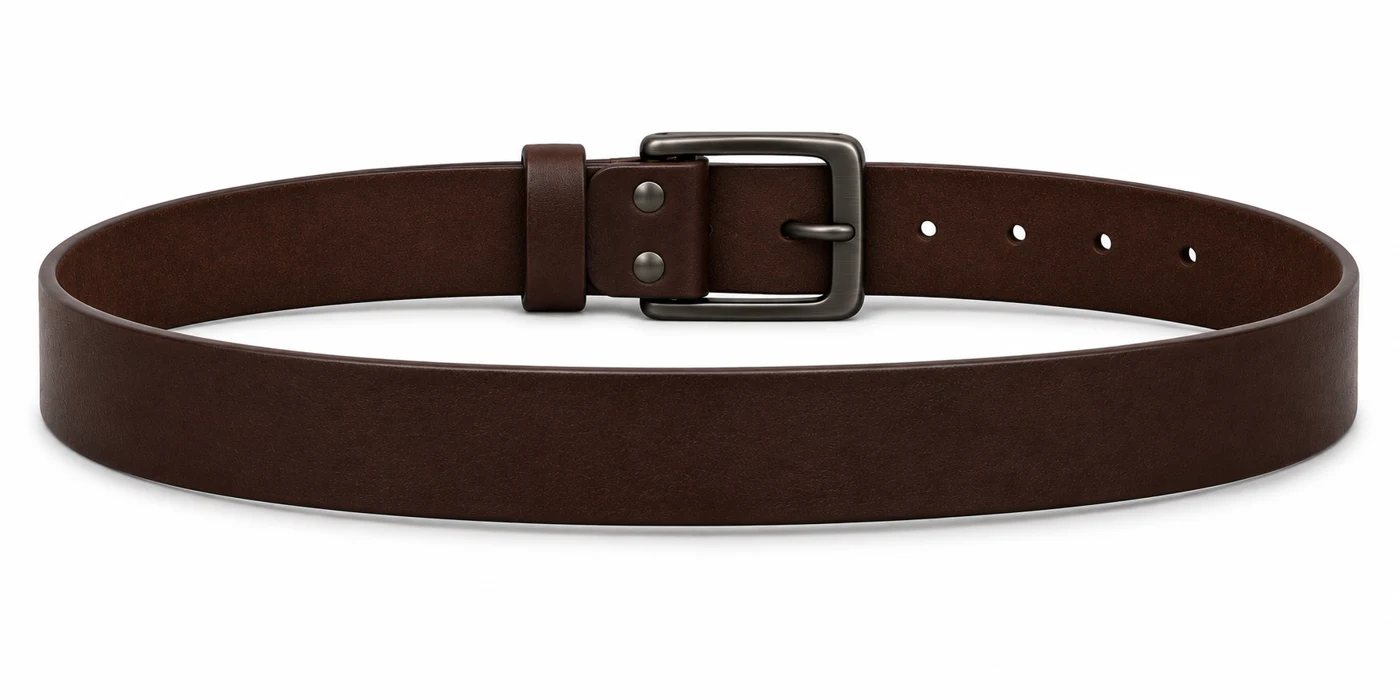
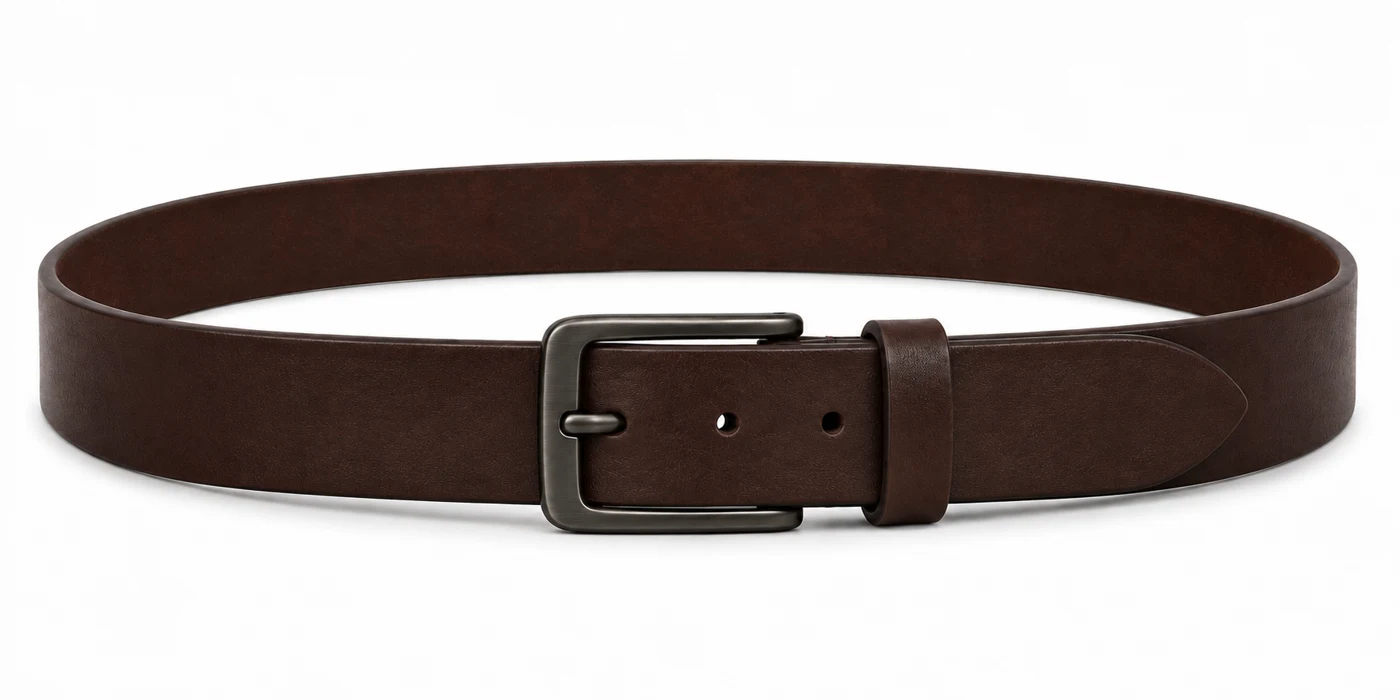
ZESTLET develops leather hunting belt for apparel brands, wholesalers and importers. Develop private-label leather hunting belts with ZESTLET. Specify leather selection, buckle, length sizing, keeper, edge finishing and wholesale packing. The front and back views illustrate a proposed design; the actual fabric, measurements, components and any performance statement are set by the approved technical pack, swatches and physical sample.

Develop private-label leather hunting belts with ZESTLET. Specify leather selection, buckle, length sizing, keeper, edge finishing and wholesale packing.

  • B2B / OEM and private-label development
  • Proposed construction: Leather and thickness, Buckle and keeper, Length and holes, Edge finishing, Attachment and branding, Packing
  • Fit and materials approved through physical sampling
  • Order minimums and schedule quoted to the confirmed scope
Chat with ZESTLET on WhatsApp

At a glance

Leather Hunting Belt Specification Checklist

Design and construction options are finalized against your approved tech pack and sample.

Leather Hunting Belt specification options
SpecificationStandard / design optionCustomizable
Leather and thicknessApprove the actual leather type, tannery reference, thickness, temper, colour and reverse finish using a physical strap sample.Buyer-approved
Buckle and keeperDefine buckle opening, prong, roller if required, material, finish and the fixed or removable attachment method. Match keeper clearance to the strap.Buyer-approved
Length and holesState the measurement method, size range, hole spacing, number of holes, tongue shape and usable adjustment range.Buyer-approved
Edge finishingSpecify edge paint or burnishing, corner rounding, finish continuity and the appearance of cut edges after bending.Buyer-approved
Attachment and brandingApprove rivet, screw or stitch attachment as applicable. Confirm authorized embossing, stamping, labels and hardware decoration.Buyer-approved
PackingDefine flat or rolled presentation, buckle protection, size identification, barcode artwork and carton assortment.Buyer-approved

Buyer Decisions That Affect the Finished Item

ZESTLET develops leather hunting belt for apparel brands, wholesalers and importers. Develop private-label leather hunting belts with ZESTLET. Specify leather selection, buckle, length sizing, keeper, edge finishing and wholesale packing. The front and back views illustrate a proposed design; the actual fabric, measurements, components and any performance statement are set by the approved technical pack, swatches and physical sample.

Leather grade alone does not define the belt

Review the actual hide or leather reference, thickness, temper, face and reverse together. Two straps with the same broad material name can bend, mark and hold hardware differently. Approve a complete belt sample and record its supplier reference; do not approve a bulk substitution merely because the colour looks similar.

Use a consistent length convention

Clarify whether the label refers to total strap length or the distance from the buckle reference point to a nominated adjustment hole. Draw the method, define hole spacing and check the shortest and longest settings. Confirm that the free tail reaches the keeper without excessive overlap when worn with the intended trousers.

Test the finish at bending points

Inspect the buckle fold, keeper, tongue and hole area during repeated ordinary bending and fastening. Check edge finish, surface transfer and hardware contact on the complete assembly. Define appearance and function criteria before production so inspection does not depend on a subjective description such as premium finish.

Configure Your Leather Hunting Belt

  • Leather and thickness: Approve the actual leather type, tannery reference, thickness, temper, colour and reverse finish using a physical strap sample.
  • Buckle and keeper: Define buckle opening, prong, roller if required, material, finish and the fixed or removable attachment method. Match keeper clearance to the strap.
  • Length and holes: State the measurement method, size range, hole spacing, number of holes, tongue shape and usable adjustment range.
  • Edge finishing: Specify edge paint or burnishing, corner rounding, finish continuity and the appearance of cut edges after bending.
  • Attachment and branding: Approve rivet, screw or stitch attachment as applicable. Confirm authorized embossing, stamping, labels and hardware decoration.
  • Packing: Define flat or rolled presentation, buckle protection, size identification, barcode artwork and carton assortment.
  • Assortment: state quantities by size and colour, target country, packaging format and repeat-order needs.

Materials & Component Options

Select the actual material assembly from physical supplier swatches and confirm its composition, finish and care in the final bill of materials.

Leather strap

Leather strap development options
PropertyOption / specification
CompositionBuyer-approved leather type and construction; exact declaration from the selected supplier
ApplicationBelt body, tongue and keeper if specified
Development considerationsCompare thickness, temper, face/reverse finish, colour and edge treatment. Confirm any full-grain, split, bonded or other specific material statement from supplier evidence before using it in labels or sales copy.

Buckle and attachment components

Buckle and attachment components development options
PropertyOption / specification
CompositionBuyer-selected buckle, keeper and approved fastener or thread system
ApplicationClosure and fixed-end assembly
Development considerationsMatch hardware dimensions and edge condition to the actual strap. Inspect prong operation, keeper reach, attachment security and finish. Confirm supplier references and care compatibility.

Approve the material in context

  1. Identify the exact material, trim and artwork reference.
  2. Check its dimensions, handle and compatibility in the finished item.
  3. Retain the approved sample and record any alternative separately.
Discuss materials and component samples

Sample Approval & Quality Checks

Length and hole inspection

Measure each size from the agreed buckle point and check hole spacing, alignment, tongue shape and keeper position. Compare the shortest and longest usable settings against the approved drawing.

Fastening and finish review

Operate the buckle through the adjustment range. Inspect hole deformation, fixed-end attachment and edge finish using buyer-agreed ordinary-use methods and acceptance criteria.

Material and packing check

Compare strap colour and handle with approved standards. Agree any colour-transfer or finish assessment relevant to the actual material. Protect the buckle and strap surface during packing and verify size labels and assortment.

Private Labels & Product Identity

Decoration on the actual material

Supply authorized artwork, label files and placement diagrams before sampling. Review decoration colour, dimensions, application quality and contact comfort on the selected material. Keep artwork clear of pocket entries, adjustments and moving folds where it could interfere with use. Approve the final branding sample rather than relying only on a digital mock-up.

Accurate product identity

Use the same style code and revision on order documents, sample comments and packing records. Confirm material declaration, size, origin and care wording from the final bill of materials. Any licensed artwork, branded component or certification mark requires the relevant authorization and evidence for the exact supplied item.

Send your artwork (AI, PDF, PSD, PNG) and we return a digital mock-up before production.

Watch our hand-embroidery production reel

Manufacturing & Material Planning

For ZH064, confirm the pattern-development scope, selected fabric and trim references, supplier minimums, variant quantities and production route. Record any buyer-supplied component, approved alternative and responsibility for testing. Review the delivery window after the material and sample scope is settled; a development image does not confirm stock availability.

Buyer Documentation & Product Evidence

Tell us the destination, intended wearer group and sales channel. Your importer or retailer brief should identify the material declaration, care, origin and packaging information needed for the configured item.

Approve accurate labels and supported statements for the actual product. Discuss destination requirements and any requested assessment before sampling. No certification, universal weather rating or unverified performance claim is implied by this development brief.

Agree evidence for the actual item

Agree sample quantities, methods and acceptance criteria for the actual item. Measure each size from the agreed buckle point and check hole spacing, alignment, tongue shape and keeper position. Compare the shortest and longest usable settings against the approved drawing. Operate the buckle through the adjustment range. Inspect hole deformation, fixed-end attachment and edge finish using buyer-agreed ordinary-use methods and acceptance criteria. Compare strap colour and handle with approved standards. Agree any colour-transfer or finish assessment relevant to the actual material. Protect the buckle and strap surface during packing and verify size labels and assortment.

For UK, US, Canadian, Australian, New Zealand or other destination inquiries, state the market, intended use and buyer requirements. Confirm the actual material declaration, labeling, origin, artwork permission and any specialized import or event documentation before approving dispatch. A market name is not a certification or a promise of unrestricted availability.

Review your destination and documentation brief
From Brief to Approved Production

  1. Prepare the buyer brief

    Share drawings or references, intended wearer, size range, use case, quantities by size and colour, destination and target delivery window. Identify features that must remain fixed and decisions that need sample development.

  2. Resolve fit and materials

    Review the actual hide or leather reference, thickness, temper, face and reverse together. Two straps with the same broad material name can bend, mark and hold hardware differently. Approve a complete belt sample and record its supplier reference; do not approve a bulk substitution merely because the colour looks similar. Compare physical swatches and component references, define measurements and tolerances, and confirm the sampling scope before ordering materials.

  3. Review the physical sample

    Test fit and operation with the intended layers or equipment. Return one numbered comment list linked to the sample revision. Review material declarations, workmanship, labels and the agreed care results before approving the size set.

  4. Release the production reference

    Approve the final sample, pattern, bill of materials, graded measurements, colour standards, artwork and inspection criteria together. Confirm component minimums, order quantities, schedule and buyer-supplied items in writing.

  5. Inspect, pack and dispatch

    Compare production with the approved sample and measurement tolerances. Verify sizes, colours, functional details and labels, then confirm unit packing, carton assortment, shipment documents and delivery terms.

Packing & Dispatch Planning

Agree unit packing, labels, size and colour identification, barcode artwork and carton quantity in the final order documents.

Leather Hunting Belt Buyer Questions

How should leather-belt sizes be specified?

Use a drawing that defines the buckle measurement point, target adjustment hole, hole spacing and usable range. State whether a size label describes wearer fit or total length.

Can buckle, leather and branding be customized?

Discuss the actual leather reference, thickness, temper, buckle opening, attachment and authorized decoration. Approve all components together on a physical sample.

Is this a safety-rated or load-bearing belt?

No. This is an ordinary apparel-belt development brief. No climbing, restraint, lifting or other protective rating is included.

What do you need for an OEM quotation?

Share drawings or reference views, wearer and size range, quantities by size and colour, preferred materials, branding, packing and destination. Identify required sample development and any target performance claims so the correct material and testing scope can be quoted.

Are the minimum order and production timing fixed?

They depend on selected fabric and trim minimums, colour/size assortment, sampling revisions and the production schedule. Request written confirmation after the configuration is reviewed.

Can the item carry our private label?

Yes, discuss authorized labels, decoration and packing. Approve artwork dimensions, placement, application and the actual material label on a sample. Keep one approved revision for repeat orders.

Are the front and back views production photographs?

They are generated design references. Request actual sample photographs and approve a physical sample before production. The images do not prove materials, test results or certifications.

Start your development

Request a Manufacturing Quote

Request a quotation, free sample or fabric swatches. Sample shipping is paid by the buyer.

PDF, AI, PSD, JPG, PNG or ZIP. Maximum 10 MB.
100% ConfidentialQuick ResponseNo Obligation

Discuss Your Manufacturing Program

Contact: ZESTLET Sales Team · Sialkot, Pakistan · sales@zestlet.com · +92 329 4213122

Last updated:

ZESTLET office and contact details

Build Now, Pay Later · New brands welcome

Launch your brand from 20 pieces. Pay the balance after your stock arrives.

ZESTLET makes your tactical, hunting, uniform and Highland products under your own label. Your first sample and branding setup are free, and orders from $5,000 can pay 60% after delivery.

Budget under $5,000

Startup Launch

  • Start from 20 pieces per product
  • Your first sample is free
  • Labels, screens and digitising are free
  • Bulk starts only after you approve the sample

Orders from $5,000

Build Now, Pay Later

  • Pay 40% to start production
  • Pay the other 60% monthly after delivery
  • No interest and no application fee
  • Your limit grows with every on-time payment

How it works

  1. PlanSend your design, product and quantity.
  2. Free sampleWe make your sample with your logo in 7–10 working days.
  3. ApproveNothing goes to bulk without your sign-off.
  4. Receive and sellDoor-to-door delivery. Credit orders pay after delivery.

Your credit limit grows with you

Starter$5,000 – $15,000
First credit order
Growth$15,000 – $50,000
After 2 orders paid on time
Scale$50,000+
After 4 cycles and a review
Deposit
40%
Balance after delivery
60%, monthly
Repayment
90 to 365 days
Interest and fees
None
Can I start a clothing brand with a small budget?

Yes. You can start from 20 pieces per product, and your first sample and branding setup are free, so your budget goes into product.

Who can use Build Now, Pay Later?

Brands with orders from $5,000, including new brands with no sales history, after a short review. You pay 40% upfront and 60% in monthly instalments after delivery.

Is the sample free?

Yes, the first sample is made free with your branding. Sample shipping is paid by the buyer.

Credit is subject to approval. Amounts shown in your local currency are approximate.

↑ZESTLET compliance document
Scroll to Top