ZESTLET · OEM / ODM · Private Label
How a Kilt Belt Is Made: Leather Selection, Cutting, Edges, Buckle Fitting and Inspection
Build Now, Pay Later · New brands welcome
Launch your brand from 20 pieces. Pay the balance after your stock arrives.
ZESTLET makes your tactical, hunting, uniform and Highland products under your own label. Your first sample and branding setup are free, and orders from $5,000 can pay 60% after delivery.
Budget under $5,000
Startup Launch
- Start from 20 pieces per product
- Your first sample is free
- Labels, screens and digitising are free
- Bulk starts only after you approve the sample
Orders from $5,000
Build Now, Pay Later
- Pay 40% to start production
- Pay the other 60% monthly after delivery
- No interest and no application fee
- Your limit grows with every on-time payment
Your full journey with ZESTLET, step by step
From your first idea to stock in your warehouse. Every step is visible in your free brand dashboard.
- 1Create your free brand accountSign up in about one minute. We email you a 6-digit code to confirm your account.
- 2Check your credit in 30 secondsAnswer 3 short questions in your dashboard and see your pre-qualified credit limit straight away.
- 3Start your projectUpload your design or tech pack, choose the product and quantity. You can start from 20 pieces per product.
- 4Get your quotation within 24 hoursPrice per piece, lead time and payment terms in writing, from real people in Sialkot.
- 5Free sample with your brandingWe make your sample with your logo in 7–10 working days. You only pay the sample shipping.
- 6Approve and pay 40%Bulk production starts only after you approve the sample and pay the 40% deposit.
- 7Production and quality checksCutting, stitching, inspection and packing, with progress updates in your dashboard.
- 8Delivery, then pay 60% monthlyDoor-to-door shipping. Credit orders pay the balance after delivery over 90 to 365 days, with no interest.
What you need to apply
- Your brand name and contact details
- Your product idea, design or tech pack
- An order value from $5,000 for Build Now, Pay Later
- For higher limits: sales history or business registration
Your credit limit grows with you
First credit order
After 2 orders paid on time
After 4 cycles and a review
- Deposit
- 40%
- Balance after delivery
- 60%, monthly
- Repayment
- 90 to 365 days
- Interest and fees
- None
Can I start a clothing brand with a small budget?
Yes. You can start from 20 pieces per product, and your first sample and branding setup are free, so your budget goes into product.
Who can use Build Now, Pay Later?
Brands with orders from $5,000, including new brands with no sales history, after a short review. You pay 40% upfront and 60% in monthly instalments after delivery.
Is the sample free?
Yes, the first sample is made free with your branding. Sample shipping is paid by the buyer.
Credit is subject to approval. Amounts shown in your local currency are approximate.
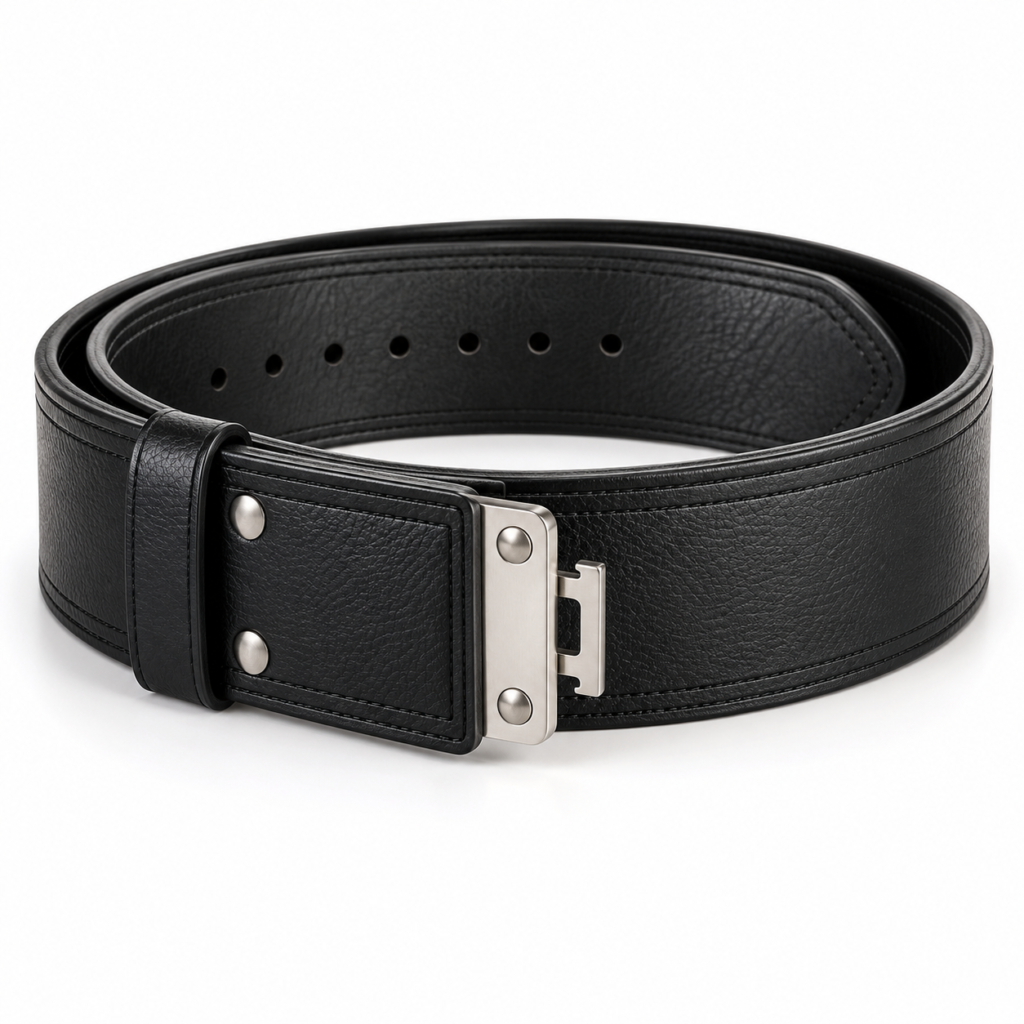
A kilt belt looks simple: a strip of leather and a buckle. In production, though, it brings together material choice, sizing, edge work, optional embossing and a buckle connection that has to match exactly. Buyers who understand the process write better briefs, approve better samples and get bulk belts that match. This article explains how a kilt belt is made step by step and what you should check at each stage.
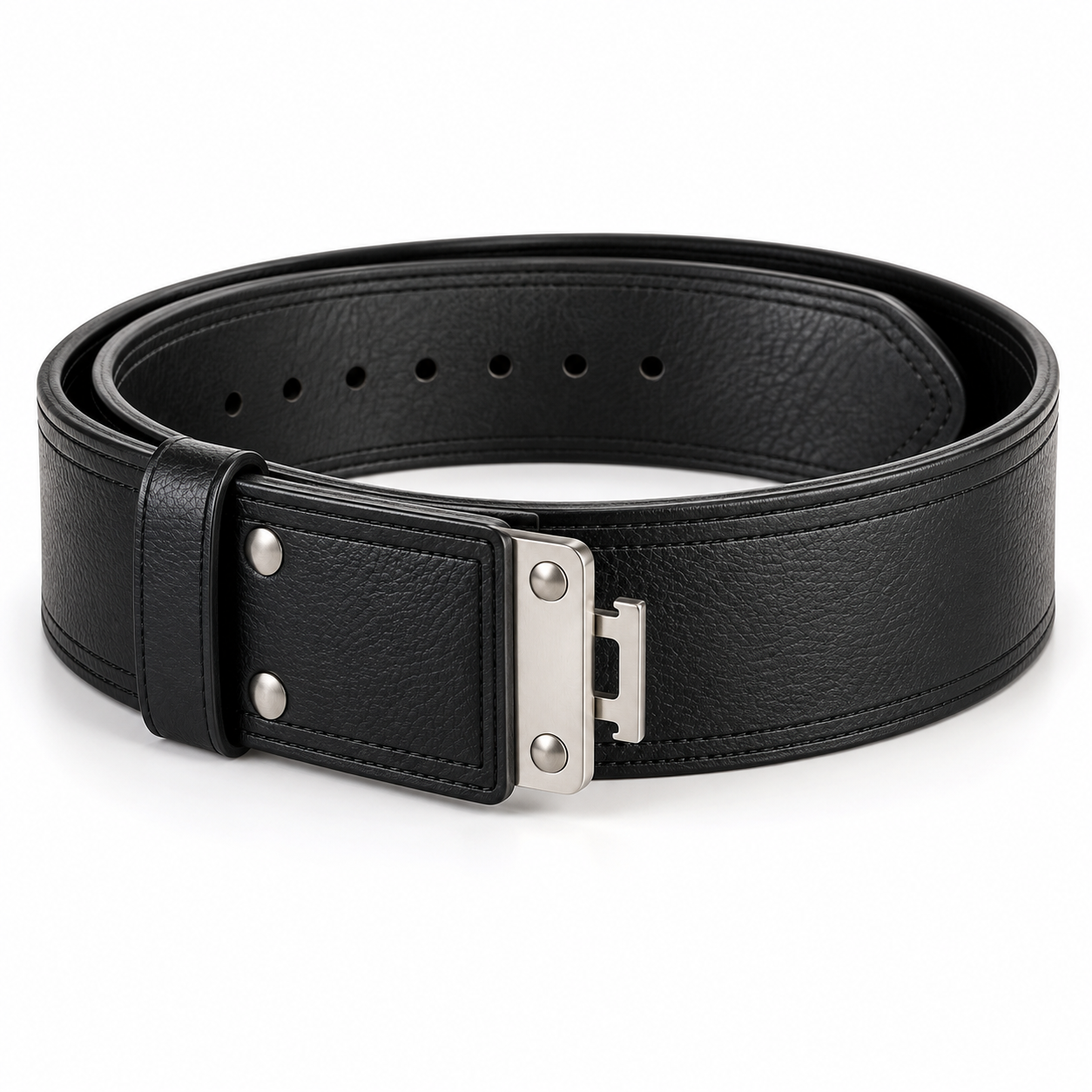
To choose width, sizing and buckle systems first, read our kilt belt buyer’s guide. For the faults this process is designed to prevent, see kilt belt problems and how to avoid them.
Step 1: Define the kilt belt brief
Send the intended outfit or use, the destination, quantity by size and variant, and the approved style reference. Identify what is fixed and what is still open, especially width and thickness. Include the buckle you will use, or say that the buckle should be supplied, and how it connects.
Step 2: Resolve material and components
The leather type or an approved alternative is chosen together with the backing and edge finish. If a buckle is included, its source and mounting geometry are confirmed. The accepted material, component and finish references are recorded, and ZESTLET confirms component availability and the production or sourcing route before quotation.
Step 3: Issue a measurable specification
The design becomes a drawing with a measurement schedule: width, thickness, usable closed size per size label, adjustment positions, buckle interface, edges and branding position. Units, tolerances and the artwork revision are kept on the same document. This specification is what the sample and bulk belts are checked against.
Step 4: Cut and shape the belt
Strips are cut to the specified width and length for each size, allowing for the fold or connection at the buckle end. The tip and buckle end are shaped, and the backing is applied where the specification calls for one.
Step 5: Finish the edges and surface
Edges are finished to the agreed look, flexibility and colour. If the belt is embossed, the design is pressed into the leather at the agreed scale and depth. A physical strike-off on the real material is approved before bulk processing, because embossing can look different on leather than on a drawing.
Step 6: Add adjustment and the buckle interface
Holes or the approved adjustment system are added at the specified positions. The buckle end is formed as a fold, loop, hook or detachable connection, and the buckle is fitted if it is part of the supply. A permitted stamp or label is added for private label.
Step 7: Review the actual sample
This is the buyer’s main checkpoint. A buckle described as standard may still use a different mounting geometry, so review the sample with the real buckle and the real kilt. Check:
- Does the buckle mount securely and sit straight?
- Does the belt pass through the kilt loops without bunching?
- Is the usable closed size right for each size label, measured with the buckle fitted?
- Are edges smooth, even and the agreed colour?
- Is the embossing crisp and at the agreed scale?
- Do the stamp, labels and material identity match the brief?
Send a numbered change list against the specification rather than general comments.
Step 8: Approve, produce, inspect and dispatch
Confirm the final sample, material list, sizes, inspection criteria, labels and packing. A project-specific MOQ and schedule are confirmed after component minimums are known. Bulk belts are compared with the approved reference, and counts by size, included buckles, labels and packing are checked before dispatch.
Stage-by-stage checklist
| Stage | What the buyer checks |
|---|---|
| Brief | Style, sizes, buckle and interface, open decisions |
| Materials | Leather or alternative, backing, edge finish, buckle source |
| Specification | Width, thickness, closed sizes, adjustment, tolerances |
| Embossing | Physical strike-off approved on real material |
| Sample | Buckle fit, loop fit, closed size, edges, branding |
| Dispatch | Matches reference; counts, buckles, labels, packing |
Make your kilt belts with ZESTLET
ZESTLET develops kilt belts for Highland outfitters, retailers and band suppliers from a clear brief, a real sample with your buckle and an approved production reference.
- Made by ZESTLET in Sialkot, Pakistan
- Small batches welcome, with a project-specific MOQ confirmed after review
- Sample first, then bulk production from the approved reference
- Private label: permitted stamp, labels and packing
See the kilt belt product page or start a kilt belt project.
Kilt belt manufacturing: FAQ
Do I need to send my buckle?
If the belts must fit your buckles, yes, or an exact reference. Buckles described the same way can mount differently.
Why approve a strike-off for embossing?
Depth and scale look different on real leather. A physical strike-off avoids surprises in bulk.
How are sizes checked?
By measuring the usable closed size with the buckle fitted, against the size chart in the specification.
What are the MOQ and lead time?
They are confirmed per project after the material, model and customisation are reviewed.
Can belts be packed under my brand?
Yes, with a permitted stamp, labels and packing agreed in the brief.