OEM / ODM · Sialkot, Pakistan

Ripstop Hunting Rain Shell Jacket Manufacturer

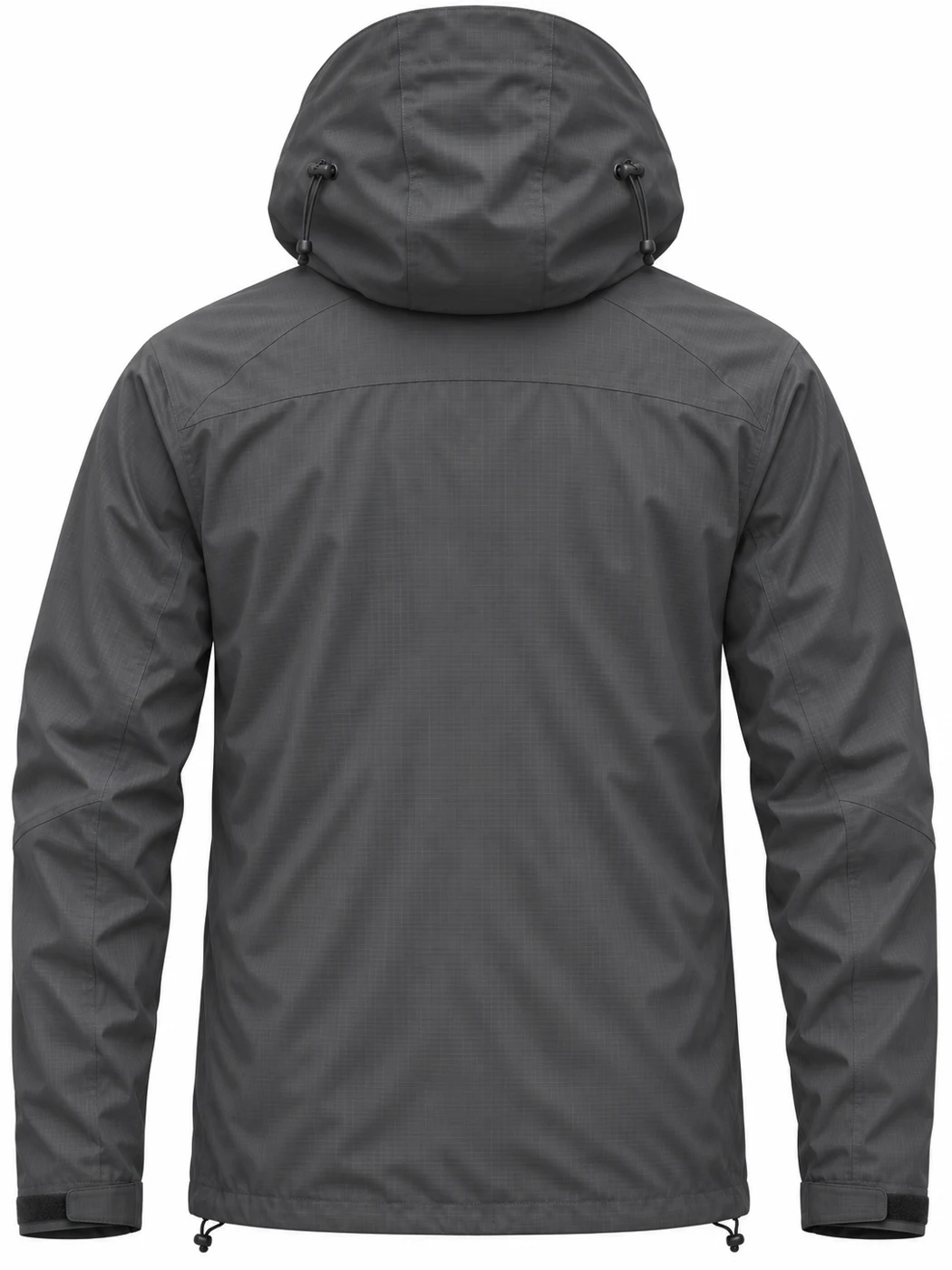
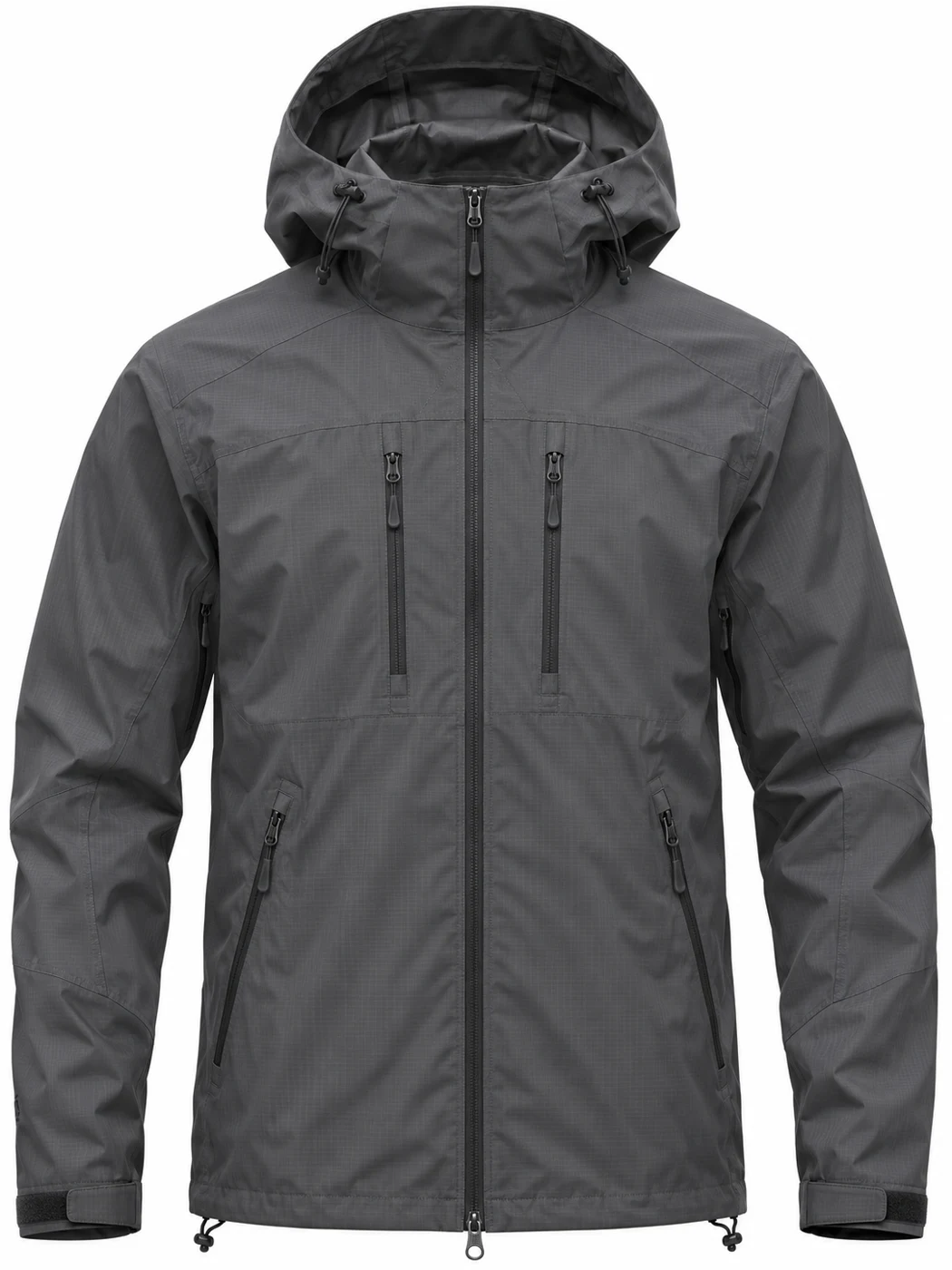
ZESTLET develops ripstop hunting rain shell jacket for apparel brands, wholesalers and importers. Develop ripstop hunting rain shell jackets with ZESTLET. Specify hood, venting, layered fit, seam-sealing requirements and OEM private-label production. The front and back views illustrate a proposed design; the actual fabric, measurements, components and any performance statement are set by the approved technical pack, swatches and physical sample.

Develop ripstop hunting rain shell jackets with ZESTLET. Specify hood, venting, layered fit, seam-sealing requirements and OEM private-label production.

  • B2B / OEM and private-label development
  • Proposed construction: Uninsulated layering fit, Storm hood, Storage, Vents and front closure, Adjustable edges, Seam system
  • Fit and materials approved through physical sampling
  • Order minimums and schedule quoted to the confirmed scope
Chat with ZESTLET on WhatsApp

At a glance

Ripstop Hunting Rain Shell Jacket Specification Checklist

Design and construction options are finalized against your approved tech pack and sample.

Ripstop Hunting Rain Shell Jacket specification options
SpecificationStandard / design optionCustomizable
Uninsulated layering fitApprove body and sleeve ease over the nominated field layers, shoulder reach and hem coverage without adding insulation loft.Buyer-approved
Storm hoodSet opening, peak shape, depth, two-direction adjustment and collar height; trial head rotation with the intended headwear.Buyer-approved
StorageDefine two zipped chest and two zipped hand pockets, bag dimensions and access under pack straps.Buyer-approved
Vents and front closureSpecify underarm vent length, internal shielding and two-way front zip operation with gloves.Buyer-approved
Adjustable edgesApprove cuff tabs and hem cinch with drawcord routing, closure overlap and excess-cord handling.Buyer-approved
Seam systemConfirm the selected face fabric, membrane/backer if required, seam type, tape compatibility and required evidence.Buyer-approved

Buyer Decisions That Affect the Finished Item

ZESTLET develops ripstop hunting rain shell jacket for apparel brands, wholesalers and importers. Develop ripstop hunting rain shell jackets with ZESTLET. Specify hood, venting, layered fit, seam-sealing requirements and OEM private-label production. The front and back views illustrate a proposed design; the actual fabric, measurements, components and any performance statement are set by the approved technical pack, swatches and physical sample.

Rainwear needs an assembled specification

Treat rain performance as a system requirement. Define fabric construction, seam sealing, zipper shielding, hood and edge closure together. A fabric test alone cannot establish the same result for a jacket with pockets, vents and seams. Agree the intended claim and an appropriate verification plan before sampling, with supplier references and sample revision recorded.

Keep ventilation separate from weather claims

Underarm vents can be specified for adjustable opening, but their position, flaps and zipper construction affect the closed garment. Inspect how the lining or backer meets the opening and whether the slider can be operated with gloves. Review reach under a pack before fixing vent length; do not describe visible zippers as proof of waterproofness.

Confirm packing and recovery on the real shell

If compact packing is required, define the target packed format and closure protection. Review creases, hood peak shape and any seam-tape effects after unpacking and care. Keep weight and packed dimensions tied to a stated sample size and configuration instead of transferring another brand’s published figures.

Configure Your Ripstop Hunting Rain Shell Jacket

  • Uninsulated layering fit: Approve body and sleeve ease over the nominated field layers, shoulder reach and hem coverage without adding insulation loft.
  • Storm hood: Set opening, peak shape, depth, two-direction adjustment and collar height; trial head rotation with the intended headwear.
  • Storage: Define two zipped chest and two zipped hand pockets, bag dimensions and access under pack straps.
  • Vents and front closure: Specify underarm vent length, internal shielding and two-way front zip operation with gloves.
  • Adjustable edges: Approve cuff tabs and hem cinch with drawcord routing, closure overlap and excess-cord handling.
  • Seam system: Confirm the selected face fabric, membrane/backer if required, seam type, tape compatibility and required evidence.
  • Assortment: state quantities by size and colour, target country, packaging format and repeat-order needs.

Materials & Component Options

Select the actual material assembly from physical supplier swatches and confirm its composition, finish and care in the final bill of materials.

Ripstop shell system

Ripstop shell system development options
PropertyOption / specification
CompositionBuyer-selected ripstop woven face and compatible membrane/backer if required; exact declaration to approved bill of materials
ApplicationMain outer panels and selected reinforcement areas
Development considerationsApprove fabric handle, grid, stretch, weight, colour and seam compatibility from physical swatches. A rainwear brief requires the actual material and complete garment to be assessed; no branded membrane or numerical weather rating is inherited from a reference.

Seam and closure components

Seam and closure components development options
PropertyOption / specification
CompositionBuyer-approved seam tape where specified, zippers, fasteners, cord, thread and labels
ApplicationSeams, openings, adjustments and product identity
Development considerationsReview tape adhesion and application settings against actual materials. Match zipper construction, shielding and adjustment components to the final fit and intended claims. Retain component references with the approved sample.

Approve the material in context

  1. Identify the exact material, trim and artwork reference.
  2. Check its dimensions, handle and compatibility in the finished item.
  3. Retain the approved sample and record any alternative separately.
Discuss materials and component samples

Sample Approval & Quality Checks

Layered movement fitting

Check hood vision, shoulder reach, sleeve length, seated hem coverage and all pocket/vent access over the chosen layers and pack.

Seam and opening inspection

Review tape application where specified, seam intersections, pocket bags, vent flaps, cuff overlap and drawcord routing using the actual assembly.

Care and rainwear evidence

Agree conditioning and care before any claim-related assessment. Recheck dimensions, tape adhesion, shell appearance and closure function against approved criteria.

Private Labels & Product Identity

Decoration on the actual material

Supply authorized artwork, label files and placement diagrams before sampling. Review decoration colour, dimensions, application quality and contact comfort on the selected material. Keep artwork clear of pocket entries, adjustments and moving folds where it could interfere with use. Approve the final branding sample rather than relying only on a digital mock-up.

Accurate product identity

Use the same style code and revision on order documents, sample comments and packing records. Confirm material declaration, size, origin and care wording from the final bill of materials. Any licensed artwork, branded component or certification mark requires the relevant authorization and evidence for the exact supplied item.

Send your artwork (AI, PDF, PSD, PNG) and we return a digital mock-up before production.

Watch our hand-embroidery production reel

Manufacturing & Material Planning

For ZH060, confirm the pattern-development scope, selected fabric and trim references, supplier minimums, variant quantities and production route. Record any buyer-supplied component, approved alternative and responsibility for testing. Review the delivery window after the material and sample scope is settled; a development image does not confirm stock availability.

Buyer Documentation & Product Evidence

Tell us the destination, intended wearer group and sales channel. Your importer or retailer brief should identify the material declaration, care, origin and packaging information needed for the configured item.

Approve accurate labels and supported statements for the actual product. Discuss destination requirements and any requested assessment before sampling. No certification, universal weather rating or unverified performance claim is implied by this development brief.

Agree evidence for the actual item

Agree sample quantities, methods and acceptance criteria for the actual item. Check hood vision, shoulder reach, sleeve length, seated hem coverage and all pocket/vent access over the chosen layers and pack. Review tape application where specified, seam intersections, pocket bags, vent flaps, cuff overlap and drawcord routing using the actual assembly. Agree conditioning and care before any claim-related assessment. Recheck dimensions, tape adhesion, shell appearance and closure function against approved criteria.

For UK, US, Canadian, Australian, New Zealand or other destination inquiries, state the market, intended use and buyer requirements. Confirm the actual material declaration, labeling, origin, artwork permission and any specialized import or event documentation before approving dispatch. A market name is not a certification or a promise of unrestricted availability.

Review your destination and documentation brief
From Brief to Approved Production

  1. Prepare the buyer brief

    Share drawings or references, intended wearer, size range, use case, quantities by size and colour, destination and target delivery window. Identify features that must remain fixed and decisions that need sample development.

  2. Resolve fit and materials

    Treat rain performance as a system requirement. Define fabric construction, seam sealing, zipper shielding, hood and edge closure together. A fabric test alone cannot establish the same result for a jacket with pockets, vents and seams. Agree the intended claim and an appropriate verification plan before sampling, with supplier references and sample revision recorded. Compare physical swatches and component references, define measurements and tolerances, and confirm the sampling scope before ordering materials.

  3. Review the physical sample

    Test fit and operation with the intended layers or equipment. Return one numbered comment list linked to the sample revision. Review material declarations, workmanship, labels and the agreed care results before approving the size set.

  4. Release the production reference

    Approve the final sample, pattern, bill of materials, graded measurements, colour standards, artwork and inspection criteria together. Confirm component minimums, order quantities, schedule and buyer-supplied items in writing.

  5. Inspect, pack and dispatch

    Compare production with the approved sample and measurement tolerances. Verify sizes, colours, functional details and labels, then confirm unit packing, carton assortment, shipment documents and delivery terms.

Packing & Dispatch Planning

Agree unit packing, labels, size and colour identification, barcode artwork and carton quantity in the final order documents.

Ripstop Hunting Rain Shell Jacket Buyer Questions

Does ripstop mean waterproof?

No. Ripstop describes a fabric construction. Rain performance depends on the selected material system, seams and openings, with evidence for the exact finished configuration.

Can the jacket use a three-layer laminate?

Discuss the actual supplier reference, membrane/backer, weight, stretch and seam-tape compatibility. Approve a physical assembly and the required claim evidence before production.

Can this replace an insulated hunting jacket?

It is an uninsulated outer-shell concept. Define the intended inner layers and fit; insulation can be discussed as a separately reviewed specification.

What do you need for an OEM quotation?

Share drawings or reference views, wearer and size range, quantities by size and colour, preferred materials, branding, packing and destination. Identify required sample development and any target performance claims so the correct material and testing scope can be quoted.

Are the minimum order and production timing fixed?

They depend on selected fabric and trim minimums, colour/size assortment, sampling revisions and the production schedule. Request written confirmation after the configuration is reviewed.

Can the item carry our private label?

Yes, discuss authorized labels, decoration and packing. Approve artwork dimensions, placement, application and the actual material label on a sample. Keep one approved revision for repeat orders.

Are the front and back views production photographs?

They are generated design references. Request actual sample photographs and approve a physical sample before production. The images do not prove materials, test results or certifications.

Start your development

Request a Manufacturing Quote

Request a quotation, free sample or fabric swatches. Sample shipping is paid by the buyer.

PDF, AI, PSD, JPG, PNG or ZIP. Maximum 10 MB.
100% ConfidentialQuick ResponseNo Obligation

Discuss Your Manufacturing Program

Contact: ZESTLET Sales Team · Sialkot, Pakistan · sales@zestlet.com · +92 329 4213122

Last updated:

ZESTLET office and contact details
↑ZESTLET compliance document
Scroll to Top