OEM / ODM · Sialkot, Pakistan

Rib-Knit Hunting Beanie Manufacturer

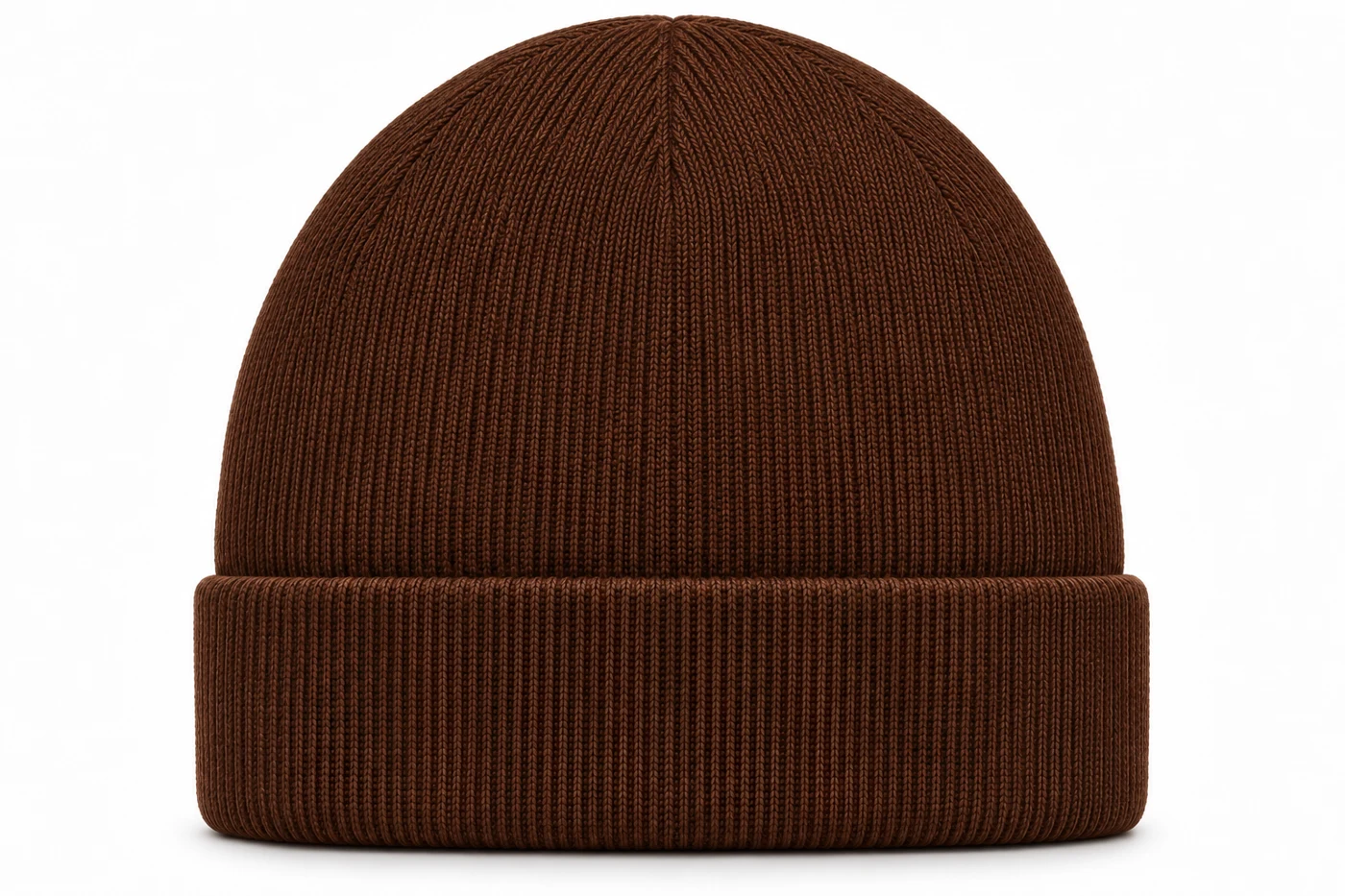
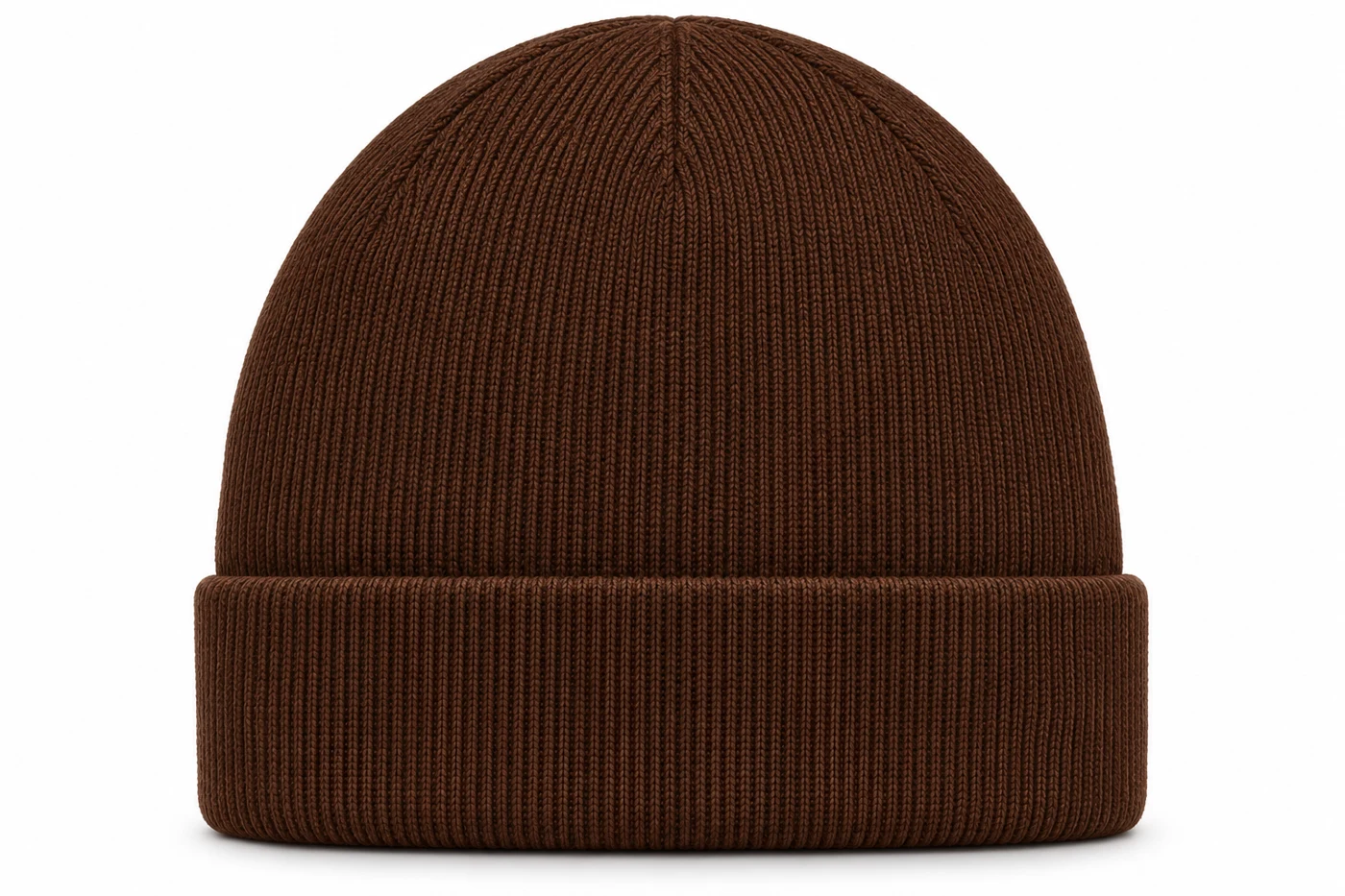
ZESTLET develops cuffed rib-knit hunting beanies for apparel brands, wholesalers and importers. Define yarn composition, knit gauge, crown shaping, cuff depth and size recovery using your approved specification and physical sample. The logo-free brown front and back images show a proposed design, while actual materials and any performance claims require the approved sample and supporting supplier evidence.

Develop custom rib-knit hunting beanies with ZESTLET. Specify yarn, gauge, crown fit, folded cuff, colours and private labels for wholesale orders.

  • B2B / OEM and private-label development
  • Proposed construction: Head fit and size range, Crown panels and seams, Folded cuff, Rib-knit material material, Brand application, Assortment and packing
  • Fit and materials approved through physical sampling
  • Order minimums and schedule quoted to the confirmed scope
Chat with ZESTLET on WhatsApp

At a glance

Rib-Knit Hunting Beanie Specification Checklist

Design and construction options are finalized against your approved tech pack and sample.

Rib-Knit Hunting Beanie specification options
SpecificationStandard / design optionCustomizable
Head fit and size rangeDefine relaxed circumference, working stretch range, crown depth and wearer measurements. Test the proposed size range rather than assuming universal one-size fit.Buyer-approved
Crown panels and seamsApprove the crown pattern, seam placement, seam allowance and reverse finish. Review pressure under the intended hood or hearing protection.Buyer-approved
Folded cuffSet finished cuff depth, fold position, overlap and ear coverage. Agree whether the cuff is stitched down or left adjustable.Buyer-approved
Knitting yarn and gaugeApprove yarn composition, count, rib structure, gauge, garment weight, stretch recovery, colour and care through the actual knitted sample.Buyer-approved
Brand applicationApprove label location and embroidery or patch method on the selected fabric. Check stretch, puckering and skin contact before release.Buyer-approved
Assortment and packingState adult sizes, colour quantities, unit identification, barcode artwork and carton quantities.Buyer-approved

Buyer Decisions That Affect the Finished Item

ZESTLET develops cuffed rib-knit hunting beanies for apparel brands, wholesalers and importers. Define yarn composition, knit gauge, crown shaping, cuff depth and size recovery using your approved specification and physical sample. The logo-free brown front and back images show a proposed design, while actual materials and any performance claims require the approved sample and supporting supplier evidence.

Fit must work before and after stretch

The illustration shows an adult folded-cuff rib-knit material beanie. Specify head circumference and crown depth separately: a wide opening does not guarantee adequate ear coverage. Compare the sample relaxed, worn and after the agreed recovery period. Check comfort beneath the intended hood or hearing protection, and record the actual wearer measurements used in the trial.

Cuff depth changes useful coverage

A deeper cuff creates a double layer around the lower band, but the fold also changes finished height. Mark the fold line on the pattern and measure crown-to-edge height in the finished wearing position. Test whether the cuff stays in place during head movement and inspect the rear seam where it crosses the folded area. Confirm label placement with the cuff both folded and unfolded.

Control yarn, gauge and finished size together

Changing yarn count, gauge or rib structure can change both handle and relaxed dimensions. Keep the yarn reference, knitting specification and finished size under the same approved revision. Review recovery after stretch and dimensions after care on the actual knitted sample. A brown colour or similar appearance is not evidence that two yarns are interchangeable. Define the intended fibre claim and care label from the final supplier declaration.

Configure Your Rib-Knit Hunting Beanie

  • Head fit and size range: Define relaxed circumference, working stretch range, crown depth and wearer measurements. Test the proposed size range rather than assuming universal one-size fit.
  • Crown panels and seams: Approve the crown pattern, seam placement, seam allowance and reverse finish. Review pressure under the intended hood or hearing protection.
  • Folded cuff: Set finished cuff depth, fold position, overlap and ear coverage. Agree whether the cuff is stitched down or left adjustable.
  • Rib-knit material material: Specify composition, weight, face and reverse, stretch direction, recovery, finish and care using actual supplier swatches.
  • Brand application: Approve label location and embroidery or patch method on the selected fabric. Check stretch, puckering and skin contact before release.
  • Assortment and packing: State adult sizes, colour quantities, unit identification, barcode artwork and carton quantities.
  • Assortment: state quantities by size and colour, target country, packaging format and repeat-order needs.

Materials & Component Options

Select the actual knitting yarn, gauge and rib structure and approve finished dimensions, colour, recovery and care on a physical sample.

Fine rib-knit yarn program

Fine rib-knit yarn program development options
PropertyOption / specification
CompositionBuyer-selected acrylic or approved alternative/blend; final fibre content to supplier declaration
ApplicationKnitted crown and folded cuff
Development considerationsDefine yarn count, gauge, rib structure, crown shaping and finished weight. Check the actual knitted sample for recovery, surface appearance and size after care. Do not infer a wool content or temperature rating from the reference image.

Thread, labels and decoration

Thread, labels and decoration development options
PropertyOption / specification
CompositionBuyer-approved thread and authorized woven label, embroidery or patch components
ApplicationCrown seams, cuff and brand identification
Development considerationsSelect components compatible with the rib-knit material stretch and care. Inspect embroidery backing, label corners and seam allowances for comfort. Approve the decoration on the actual material and review whether it distorts the cuff or restricts stretch.

Approve the material in context

  1. Identify the exact material, trim and artwork reference.
  2. Check its dimensions, handle and compatibility in the finished item.
  3. Retain the approved sample and record any alternative separately.
Discuss materials and component samples

Sample Approval & Quality Checks

Fit and recovery check

Measure the opening relaxed and stretched with a consistent method. Try the sample on the intended adult wearer range and check crown height, ear coverage and pressure. Allow the agreed recovery period before remeasuring; retain the method and sample revision with the inspection record.

Crown and cuff inspection

Check crown-seam alignment, reverse seam finish and the cuff fold. Confirm the label location, fold retention and rear-seam bulk in the wearing position. Compare the appearance across sizes and colours before approving the assortment.

Care and surface review

Use the buyer-approved care process and compare dimensions, recovery, seam shape and rib-knit material appearance before and after care. Specify pilling, colourfastness or other testing only when it is relevant to the actual material and sales claim.

Private Labels & Product Identity

Decoration on the actual material

Supply authorized artwork, label files and placement diagrams before sampling. Review decoration colour, dimensions, application quality and contact comfort on the selected material. Keep artwork clear of pocket entries, adjustments and moving folds where it could interfere with use. Approve the final branding sample rather than relying only on a digital mock-up.

Accurate product identity

Use the same style code and revision on order documents, sample comments and packing records. Confirm material declaration, size, origin and care wording from the final bill of materials. Any licensed artwork, branded component or certification mark requires the relevant authorization and evidence for the exact supplied item.

Send your artwork (AI, PDF, PSD, PNG) and we return a digital mock-up before production.

Watch our hand-embroidery production reel

Manufacturing & Material Planning

For ZH049, confirm the pattern-development scope, selected fabric and trim references, supplier minimums, variant quantities and production route. Record any buyer-supplied component, approved alternative and responsibility for testing. Review the delivery window after the material and sample scope is settled; a development image does not confirm stock availability.

Buyer Documentation & Product Evidence

Tell us the destination, intended wearer group and sales channel. Your importer or retailer brief should identify the material declaration, care, origin and packaging information needed for the configured item.

Approve accurate labels and supported statements for the actual product. Discuss destination requirements and any requested assessment before sampling. No certification, universal weather rating or unverified performance claim is implied by this development brief.

Agree evidence for the actual item

Agree sample quantities, methods and acceptance criteria for the actual item. Measure the opening relaxed and stretched with a consistent method. Try the sample on the intended adult wearer range and check crown height, ear coverage and pressure. Allow the agreed recovery period before remeasuring; retain the method and sample revision with the inspection record. Check crown-seam alignment, reverse seam finish and the cuff fold. Confirm the label location, fold retention and rear-seam bulk in the wearing position. Compare the appearance across sizes and colours before approving the assortment. Use the buyer-approved care process and compare dimensions, recovery, seam shape and rib-knit material appearance before and after care. Specify pilling, colourfastness or other testing only when it is relevant to the actual material and sales claim.

For UK, US, Canadian, Australian, New Zealand or other destination inquiries, state the market, intended use and buyer requirements. Confirm the actual material declaration, labeling, origin, artwork permission and any specialized import or event documentation before approving dispatch. A market name is not a certification or a promise of unrestricted availability.

Review your destination and documentation brief
From Brief to Approved Production

  1. Prepare the buyer brief

    Share drawings or references, intended wearer, size range, use case, quantities by size and colour, destination and target delivery window. Identify features that must remain fixed and decisions that need sample development.

  2. Resolve fit and materials

    The illustration shows an adult folded-cuff rib-knit material beanie. Specify head circumference and crown depth separately: a wide opening does not guarantee adequate ear coverage. Compare the sample relaxed, worn and after the agreed recovery period. Check comfort beneath the intended hood or hearing protection, and record the actual wearer measurements used in the trial. Compare physical swatches and component references, define measurements and tolerances, and confirm the sampling scope before ordering materials.

  3. Review the physical sample

    Test fit and operation with the intended layers or equipment. Return one numbered comment list linked to the sample revision. Review material declarations, workmanship, labels and the agreed care results before approving the size set.

  4. Release the production reference

    Approve the final sample, pattern, bill of materials, graded measurements, colour standards, artwork and inspection criteria together. Confirm component minimums, order quantities, schedule and buyer-supplied items in writing.

  5. Inspect, pack and dispatch

    Compare production with the approved sample and measurement tolerances. Verify sizes, colours, functional details and labels, then confirm unit packing, carton assortment, shipment documents and delivery terms.

Packing & Dispatch Planning

Agree unit packing, labels, size and colour identification, barcode artwork and carton quantity in the final order documents.

Rib-Knit Hunting Beanie Buyer Questions

Can a one-size hunting beanie be specified?

Yes, but define the intended wearer range, relaxed circumference, stretch range and crown depth. Approve fit across that range rather than using a one-size label as the only specification.

Can we change the cuff or add a label?

Discuss cuff depth, fixed or adjustable fold, ear coverage and label placement. Review the chosen branding method on the actual rib-knit material to check puckering, contact comfort and stretch.

Is the pictured beanie wool, windproof or temperature-rated?

No such specification is established by the image. Select the actual rib-knit material and supporting construction first; any composition or performance claim must match supplier records and appropriate evidence.

What do you need for an OEM quotation?

Share drawings or reference views, wearer and size range, quantities by size and colour, preferred materials, branding, packing and destination. Identify required sample development and any target performance claims so the correct material and testing scope can be quoted.

Are the minimum order and production timing fixed?

They depend on selected fabric and trim minimums, colour/size assortment, sampling revisions and the production schedule. Request written confirmation after the configuration is reviewed.

Can the item carry our private label?

Yes, discuss authorized labels, decoration and packing. Approve artwork dimensions, placement, application and the actual material label on a sample. Keep one approved revision for repeat orders.

Are the front and back views production photographs?

They are generated design references. Request actual sample photographs and approve a physical sample before production. The images do not prove materials, test results or certifications.

Start your development

Request a Manufacturing Quote

Request a quotation, free sample or fabric swatches. Sample shipping is paid by the buyer.

PDF, AI, PSD, JPG, PNG or ZIP. Maximum 10 MB.
100% ConfidentialQuick ResponseNo Obligation

Discuss Your Manufacturing Program

Contact: ZESTLET Sales Team · Sialkot, Pakistan · sales@zestlet.com · +92 329 4213122

Last updated:

ZESTLET office and contact details

Build Now, Pay Later · New brands welcome

Launch your brand from 20 pieces. Pay the balance after your stock arrives.

ZESTLET makes your tactical, hunting, uniform and Highland products under your own label. Your first sample and branding setup are free, and orders from $5,000 can pay 60% after delivery.

Budget under $5,000

Startup Launch

  • Start from 20 pieces per product
  • Your first sample is free
  • Labels, screens and digitising are free
  • Bulk starts only after you approve the sample

Orders from $5,000

Build Now, Pay Later

  • Pay 40% to start production
  • Pay the other 60% monthly after delivery
  • No interest and no application fee
  • Your limit grows with every on-time payment

How it works

  1. PlanSend your design, product and quantity.
  2. Free sampleWe make your sample with your logo in 7–10 working days.
  3. ApproveNothing goes to bulk without your sign-off.
  4. Receive and sellDoor-to-door delivery. Credit orders pay after delivery.

Your credit limit grows with you

Starter$5,000 – $15,000
First credit order
Growth$15,000 – $50,000
After 2 orders paid on time
Scale$50,000+
After 4 cycles and a review
Deposit
40%
Balance after delivery
60%, monthly
Repayment
90 to 365 days
Interest and fees
None
Can I start a clothing brand with a small budget?

Yes. You can start from 20 pieces per product, and your first sample and branding setup are free, so your budget goes into product.

Who can use Build Now, Pay Later?

Brands with orders from $5,000, including new brands with no sales history, after a short review. You pay 40% upfront and 60% in monthly instalments after delivery.

Is the sample free?

Yes, the first sample is made free with your branding. Sample shipping is paid by the buyer.

Credit is subject to approval. Amounts shown in your local currency are approximate.

↑ZESTLET compliance document
Scroll to Top